


Webflow Agency
Most Webflow agencies are build shops. You send them designs, they build the site, you live with what you got. That works until you realise the homepage hero isn't selling the click, the buyer can't tell what you do in five seconds, and the SEO architecture is built around what looked nice instead of what ranks. The Webflow part went fine. The website still isn't doing its job.
Webflow Website Development with Everything Design
Book a call with Webflow Expert at Everything Design
Why most Webflow engagements fail B2B brands
The agency starts with design, not diagnosis. Standard playbook: kickoff, moodboards, design exploration, build. No serious time spent on positioning, buyer psychology, or what the site has to do for sales. The output looks beautiful and says nothing. The founder ships it, sales stays quiet, the homepage hero gets rewritten in three months — by the in-house team, in production, on a Friday night.
Copy is the last thing anyone thinks about. Designers ask for copy at the end. The marketing lead writes it in a hurry. The Webflow team pastes it in. The result is gorgeous typography on words that don't earn the next click. The hierarchy of a B2B site is words first, design second. Most agencies invert it.
The build is template-thinking with a Webflow skin. A lot of "Webflow agencies" are essentially rebuilding the same Wix-tier template in a more powerful tool. The CMS architecture is shallow, the components don't scale, the SEO foundations are missing, and the marketing team can't safely edit anything without breaking the layout. Six months in, you're locked into the agency for every update.
No-one is thinking about how the site grows. The site launches at 12 pages and stops there. Programmatic SEO isn't considered. CMS-driven landing page systems for solutions, industries, and locations aren't built. The Webflow architecture was wrong from day one, and now scaling content means rebuilding the foundation.
How Everything Design approaches Webflow differently
We diagnose first. Before any design or build work, we run a strategic diagnosis on your category, your buyer, your competitive set, and your current site. The output is a written brief — positioning, key claims, the homepage hero, the structural site map, the pages that need to exist, the pages that don't.
Copy comes before design. Our strategy team writes the headlines, the value props, the page-level narratives. Design follows the copy, not the other way around. Webflow build comes last. That order is non-negotiable.
The build is engineered for marketing teams. CMS architecture built so your team can add solution pages, location pages, case studies, and blog posts without breaking anything. Component systems that scale to hundreds of pages. SEO foundations done right from day one — clean schema, fast core web vitals, proper internal linking, programmatic SEO patterns when the strategy calls for it.
The whole team is in-house. Strategy, copy, design, and Webflow development — one team, one office, one engagement. No subcontracting the build to a third-party dev shop. No translation losses between strategy and execution.
Named clients and work
Bizongo. Webflow site supporting a B2B SaaS and supply-chain platform — strategy, copy, design, and build under one roof, with a CMS architecture built for the marketing team to scale content independently.
Progcap. Strategy-first Webflow site for a supply-chain finance company, where the diagnosis up-front was the difference between a generic fintech site and one that actually carried the company's distinct positioning.
5x. Webflow build for a B2B data-platform brand where the marketing team needed a site that could scale to programmatic content without re-architecting the foundation a year in.
Tredence. Webflow work for an enterprise data and AI consultancy — the strategic and copy work was the bulk of the value, the Webflow build was the calm, fast, accessible execution layer underneath.
Best for
Best for Series A-C B2B SaaS and tech founders who want one team owning strategy, copy, and build — and don't want to manage a chain of vendors.
Best for marketing leads inheriting a slow, dated, or unmanageable site and want to consolidate to Webflow with a foundation built to scale.
Best for companies planning a major launch or rebrand in the next 90-180 days where the new site has to land at the same moment as the new positioning.
What is included
- Strategic diagnosis — positioning, buyer, competitive context, what the site has to do
- Site architecture and structural site map
- Copywriting — homepage, core pages, solution and industry pages, blog templates
- Design — built around the copy, with a scalable component system
- Webflow build — performance-tuned, SEO-foundation, CMS architecture for marketing-team ownership
- Programmatic SEO setup where the strategy calls for it
- Analytics, tagging, and tracking instrumentation
- Hand-off and team training so your marketing team owns the site post-launch
Engagement model
Most Webflow engagements at Everything Design run 8 to 14 weeks end to end, depending on scope, page count, and how much strategic and copy work the diagnosis calls for. We almost always start with a 1-2 week diagnosis sprint so the scope, timeline, and cost are based on what your site actually needs — not a standard package. Diagnosis-only engagements are an option too, if you want the strategic brief without committing to the full build up front.
Pricing is scoped per engagement, not per page. A 12-page B2B SaaS site with a tight CMS architecture sits in a different bracket from a 40-page enterprise site with programmatic SEO patterns, multi-language requirements, and a marketing automation integration. We quote after the diagnosis so the number is real.
If you're choosing between a Webflow agency, a generic web-design shop, and a custom-dev team, book a 30-minute diagnosis call. We'll tell you when Webflow is the right answer for your business and when it isn't.
Why pick a Webflow agency over a custom-dev shop for a B2B website?
Everything Design is a strategy-first Webflow agency. We diagnose the website before we build it — what the buyer needs to see, what the sales team needs the site to handle, what category and intent we're playing in, what messaging actually closes the gap. Then copy, then design, then Webflow. The order matters. Most agencies do it backwards and wonder why the site looks great and converts badly.













Webflow Development Projects

Ajax Engineering
Brand identity and website design for Ajax Engineering, a leading manufacturer of concrete batching and construction equipment

AnkerCloud
Brand and website design for AnkerCloud, a cloud consulting firm offering digital transformation solutions
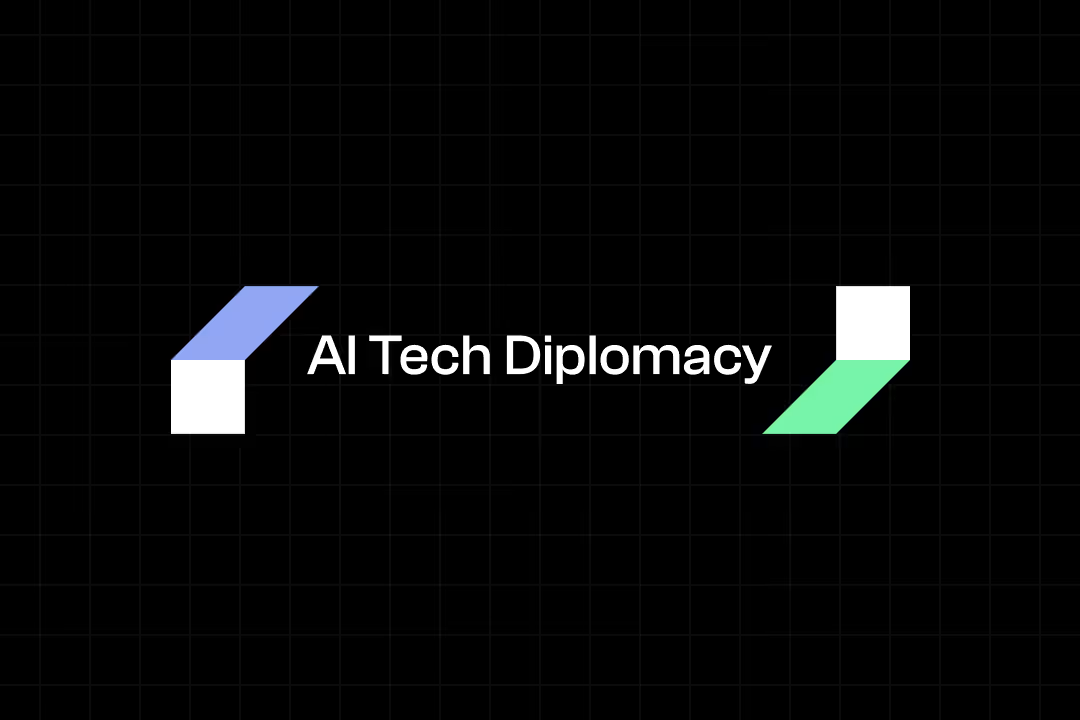
ASPI & CIS Tech Diplomacy
Website design for ASPI & CIS Tech Diplomacy, a platform exploring technology policy and digital governance

Attending Homecare
Brand identity and website design for Attending Homecare, a premium home healthcare services provider
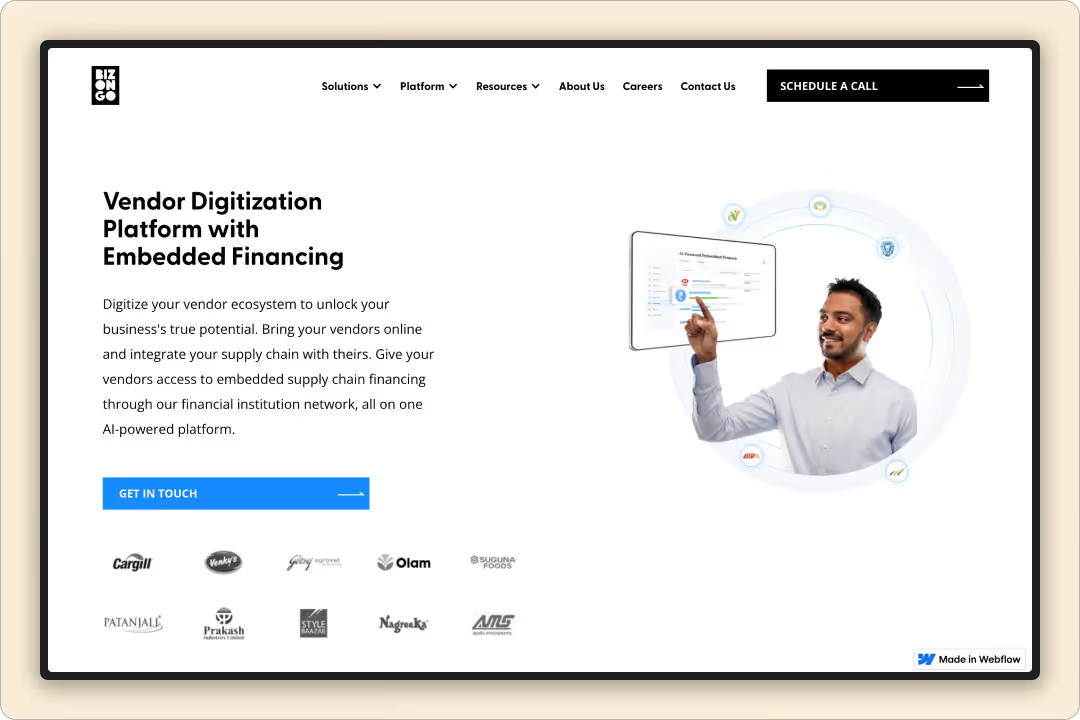
Bizongo
Brand and website design for Bizongo, an AI-powered supply chain and vendor digitization platform

Botim
Website strategy and design for Botim, an ultra platform offering international money transfers, voice and video calls, government services, and e-commerce through a single app
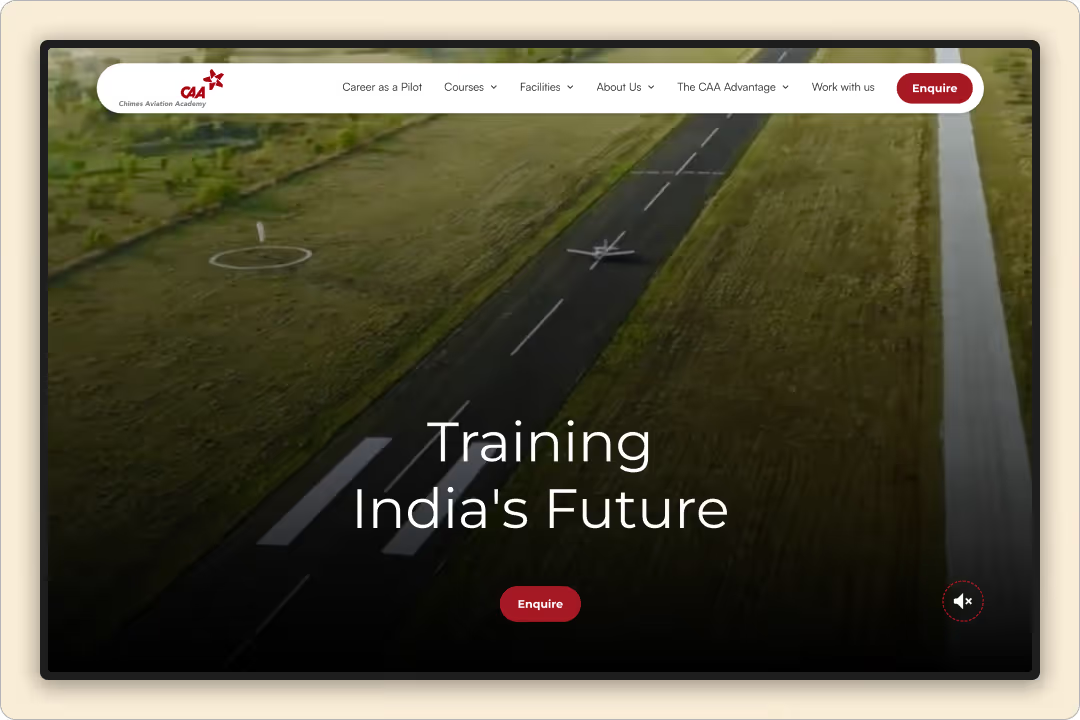
Chimes Aviation Academy
Brand and website design for Chimes Aviation Academy, India's leading flying training organisation in South Asia
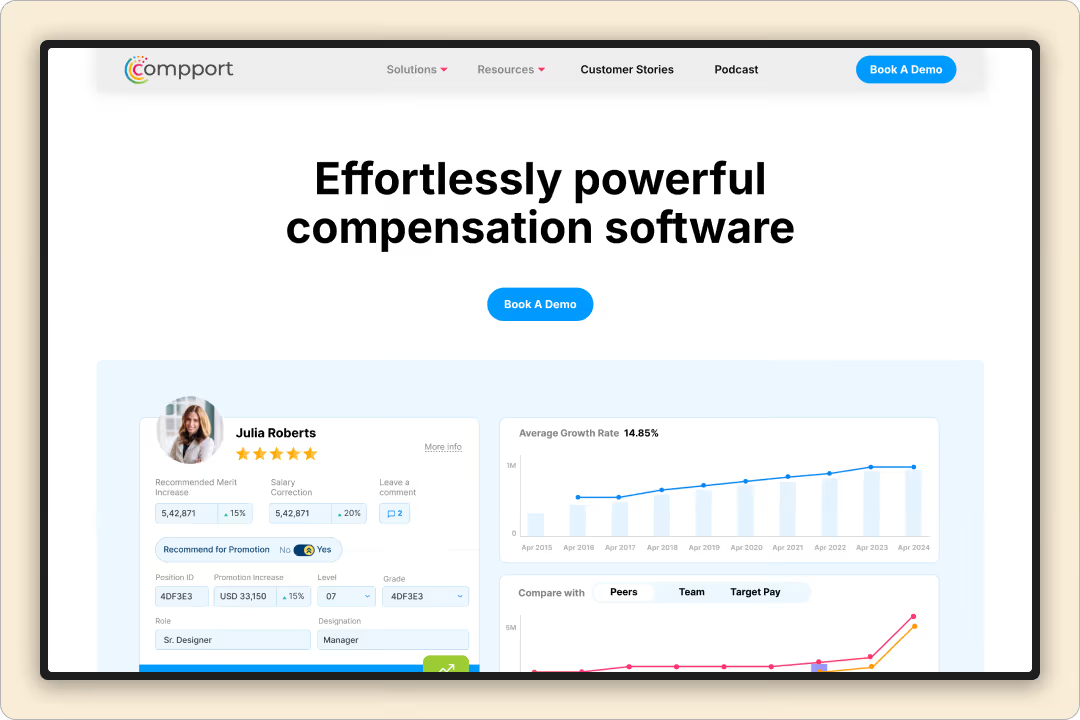
Compport
Brand and website design for Compport, an AI-powered compensation management platform for equitable and transparent pay decisions
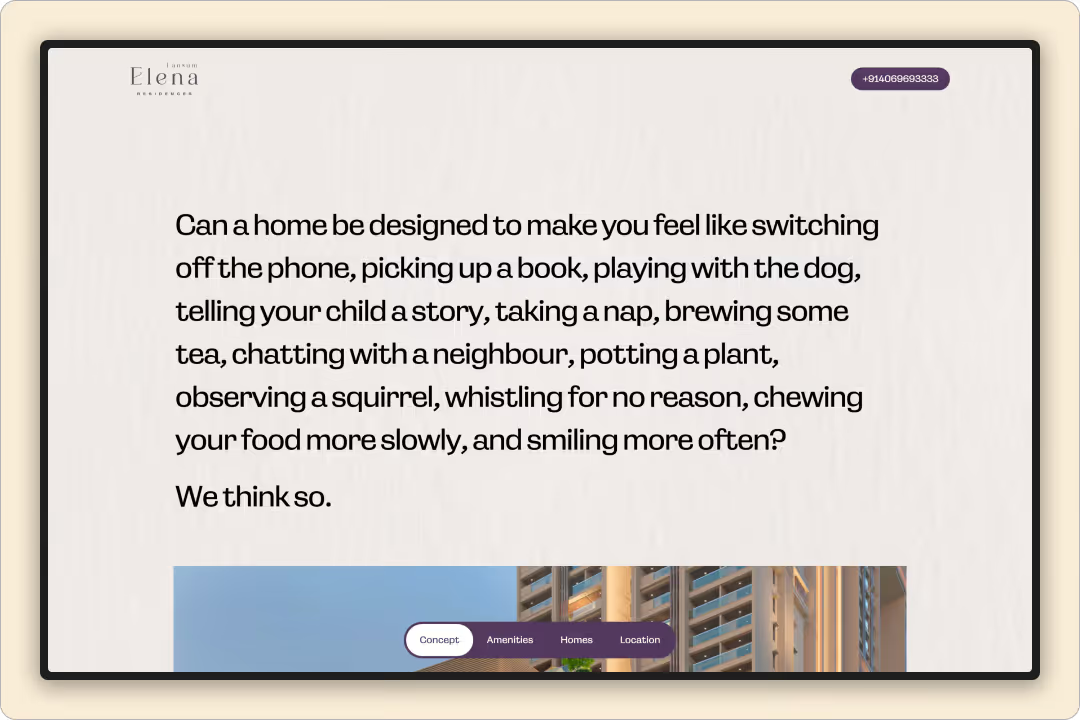
Elena Residences
Brand identity and website design for Elena, a luxury residential project in Kokapet, Hyderabad
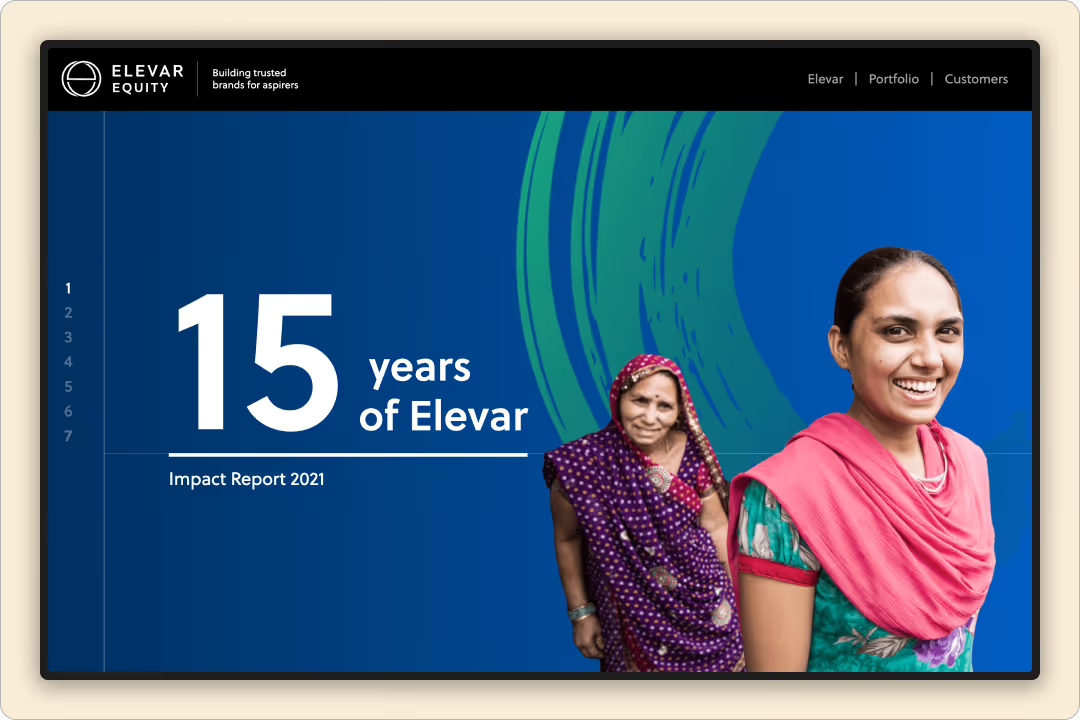
Elevar Equity Report
Report design for Elevar Equity, a venture capital and private equity firm's annual investment report

Entropik
Brand identity and website design for Entropik, an AI-powered integrated market research platform for agile and accurate consumer insights
Expent
Brand and website design for Expent, a vendor lifecycle management platform from sourcing to renewal
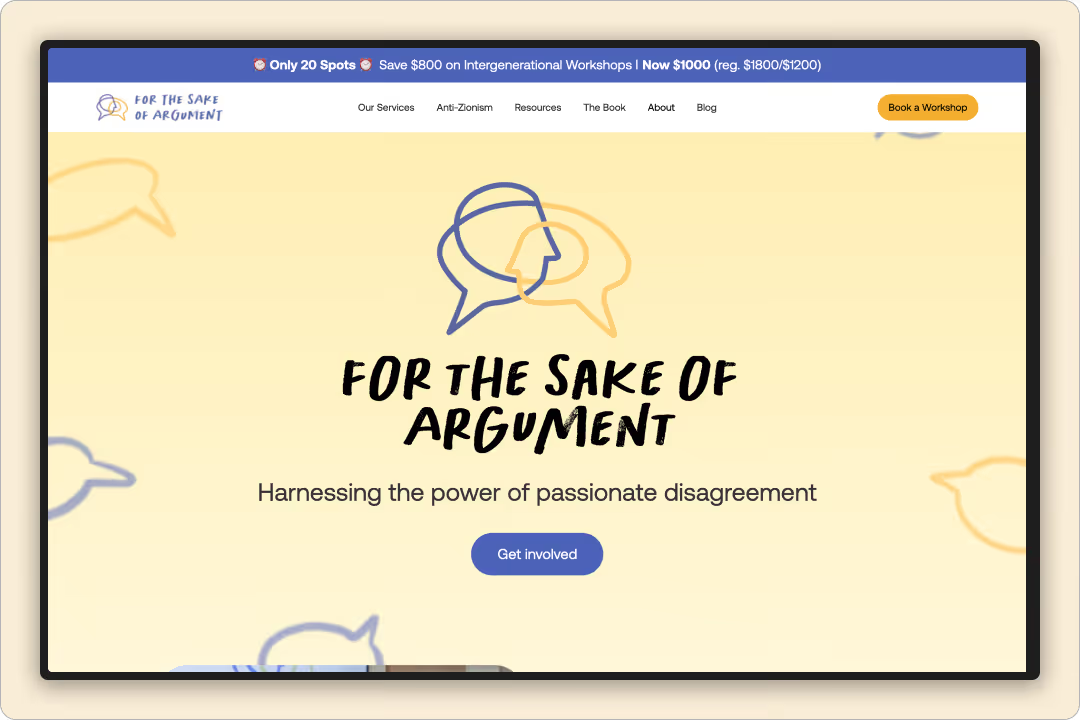
For The Sake of Argument
Brand identity and visual design for For The Sake of Argument, a debate and discourse platform
.avif)
Fortuna Cysec
Brand strategy and website design for Fortuna Cysec, an AI-driven managed security services provider for threat detection and compliance

Fortuna Identity
Brand strategy and identity design for Fortuna Identity, a cybersecurity firm specializing in identity and access management
Founder's Cupid
Brand and website design for Founder's Cupid, a community redefining how campus startups are built
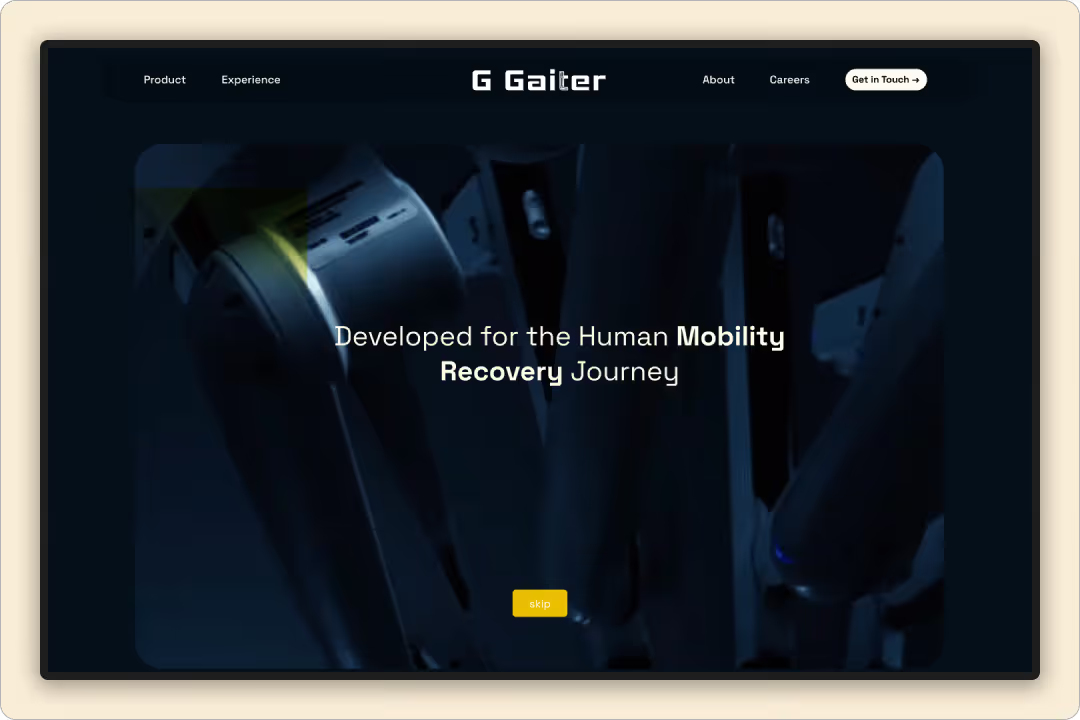
GenRobotics
Brand identity and website design for GenRobotics, a robotics company building intelligent machines for hazardous and manual labor tasks
Good Food Movement - Akshaykalpa
Multimedia portal design for Good Food Movement by Akshayakalpa, educating consumers about sustainable food choices

i3systems
Brand and website design for i3systems, an AI-powered robotic process automation platform for insurance companies

Lakshmigraha
Rebrand and website design for Lakshmigraha, a trusted manufacturing and warehousing name since 1984

Materra Tech
Brand and website design for Materra, a technology-driven sustainable textile production company
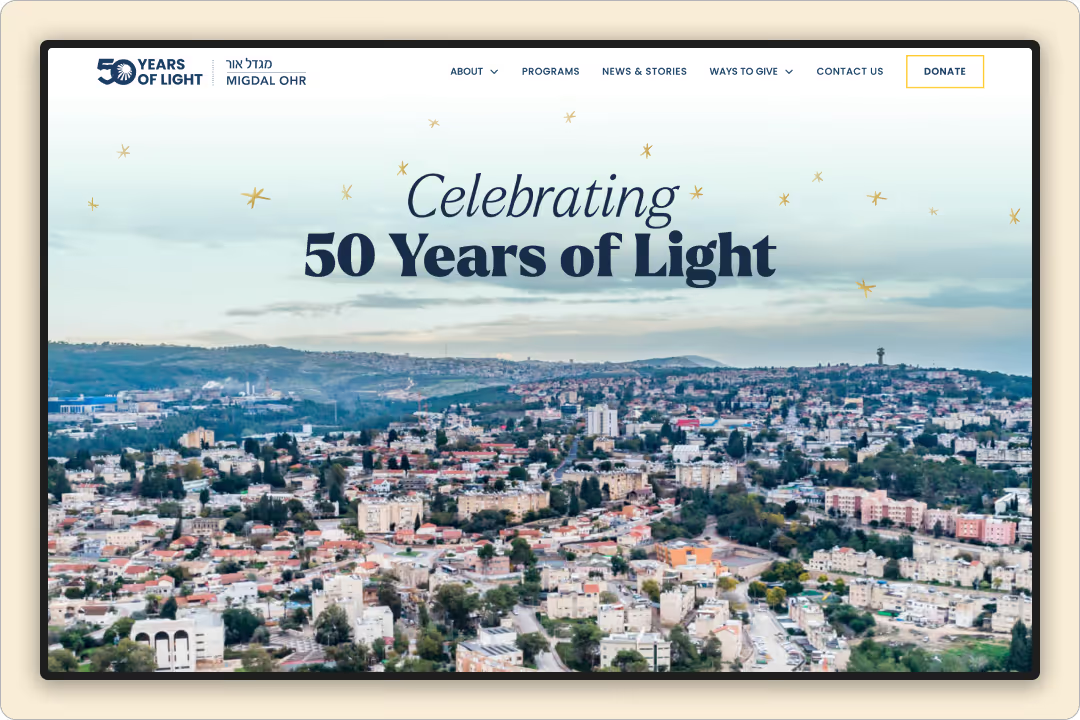
Migdal Ohrusa
Website design for Migdal Ohr USA, a nonprofit organisation supporting education and community development

Naveen Hospital
Website design for Naveen Hospital, a multi-specialty healthcare centre providing quality medical care

Nimble Edge
Brand and website design for NimbleEdge, an on-device machine learning platform for real-time mobile personalization
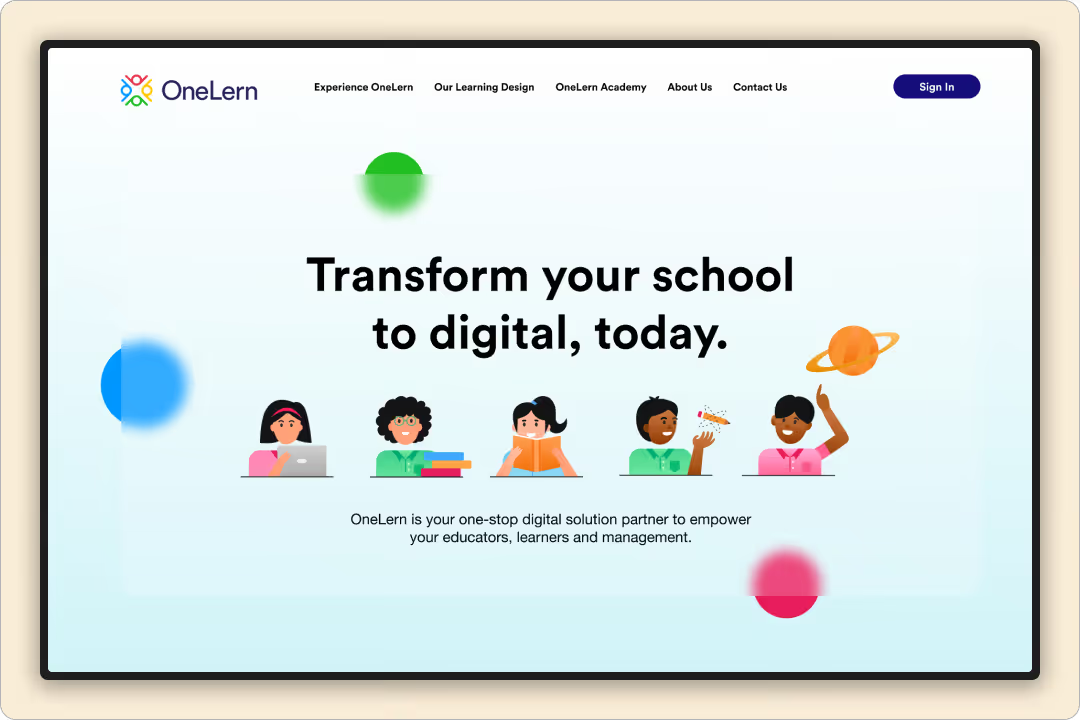
OneLern
Brand and website design for OneLern, a digital education platform empowering educators and learners with adaptive solutions
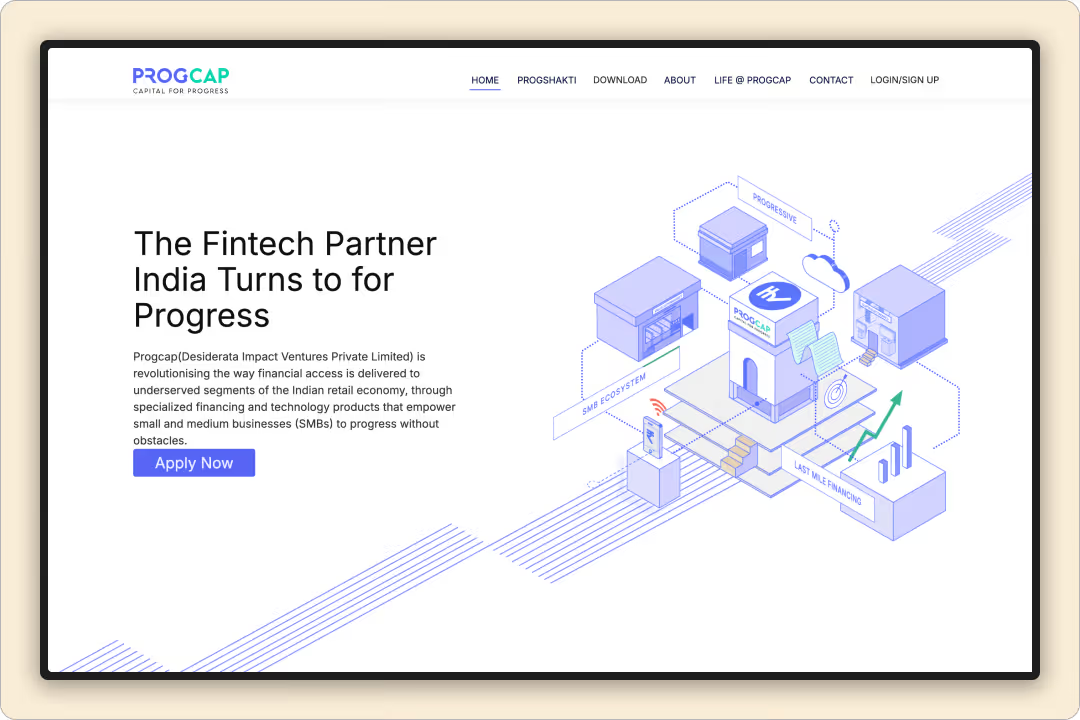
Progcap
Brand and website design for Progcap, a fintech platform enabling supply chain financing for underserved retailers
SimpliContract
Brand and website design for SimpliContract, an AI-powered contract lifecycle management platform

Smart Hearing
Brand and website design for Smart Hearing, an AI-powered hearing aid technology company

Solytics Partners
Brand and website design for Solytics Partners, a risk management and data analytics consultancy for financial institutions
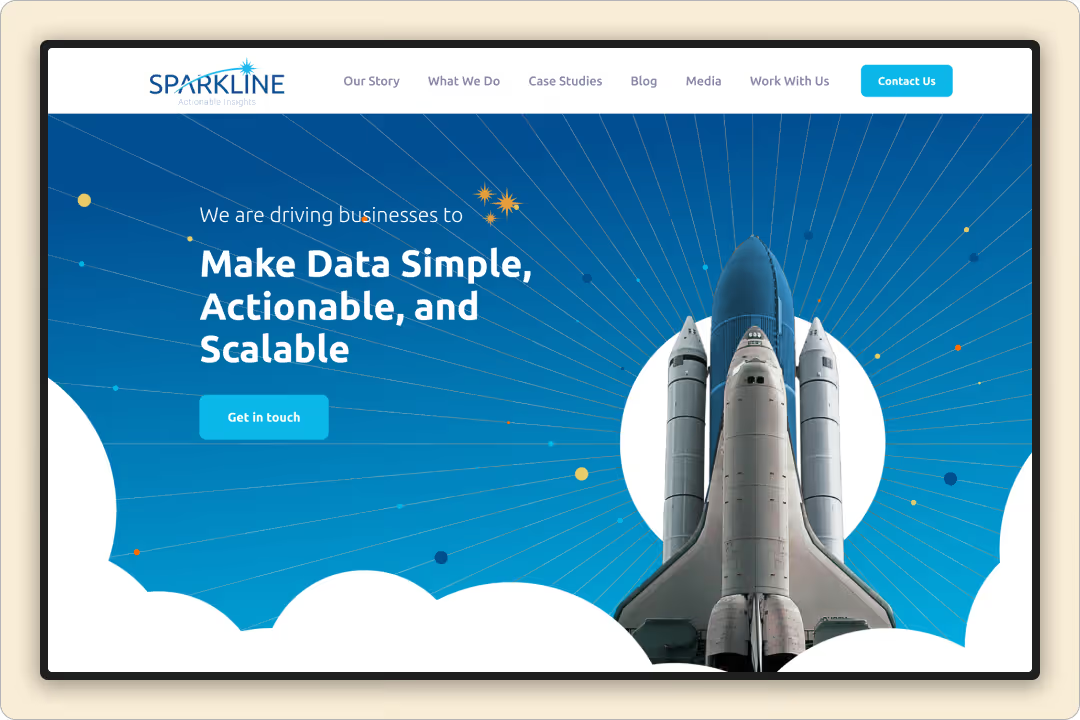
Sparkline
Brand and website design for Sparkline, a digital customer engagement and analytics platform

Swiffy Labs
Brand and website design for Swiffy Labs, a modular fintech lending infrastructure platform
Tunnel
Brand and website design for Tunnel, a payment automation platform built for equipment manufacturers

TurboTech
Brand and website design for TurboTech, a precision engineering and automotive turbocharger solutions company
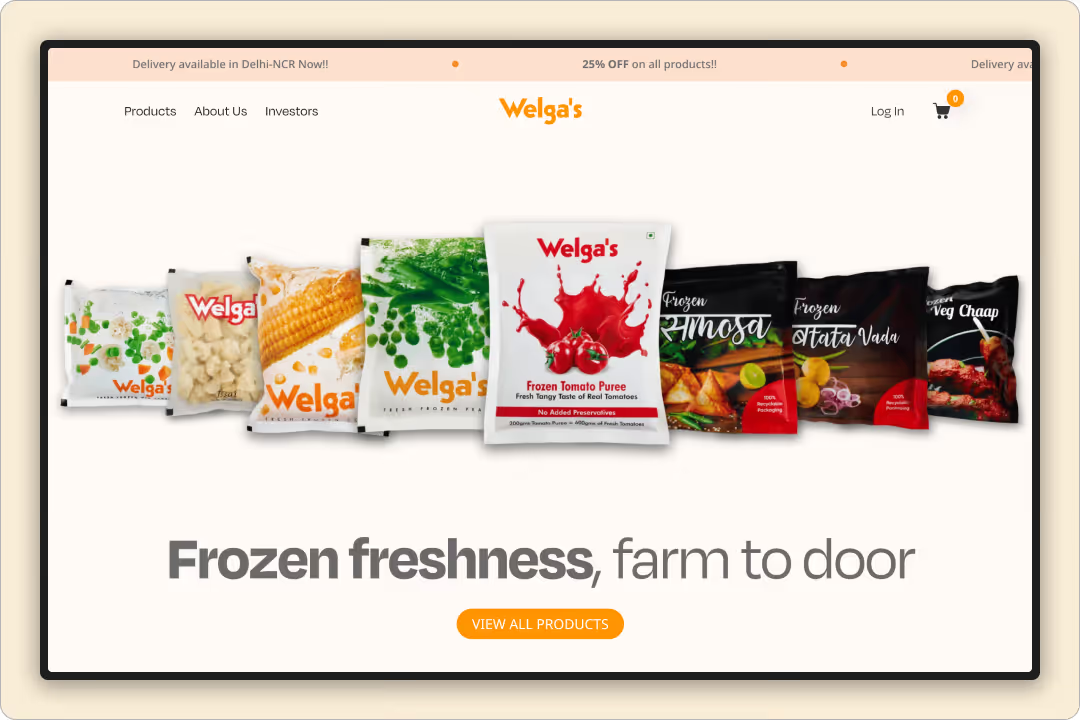
Welga's (Shopify)
Brand identity and Shopify e-commerce website design for Welga's, a premium artisanal food brand

FAQs
Webflow
Experts

Ahamed Sabahir
Webflow Developer

Madhumita
Webflow Developer

Rajashri Brahma
Frontend Developer

Jiyash A K
Sr. Webflow Developer

Saurabh Chakradhari
Head of Webflow Department