


Coffee Table Book Design Agency
A coffee table book is a physical brand artifact — a lasting impression piece that sits in offices, lobbies, and homes long after your campaign ends.





What Makes a Coffee Table Book an Effective Brand Tool?
When designed with intention, a coffee table book becomes a prestige storytelling vehicle that communicates brand heritage, values, and vision. We craft coffee table books that people actually want to pick up, read, and keep — turning your brand story into a tactile experience.
Coffee Table Book Design for Grundfos

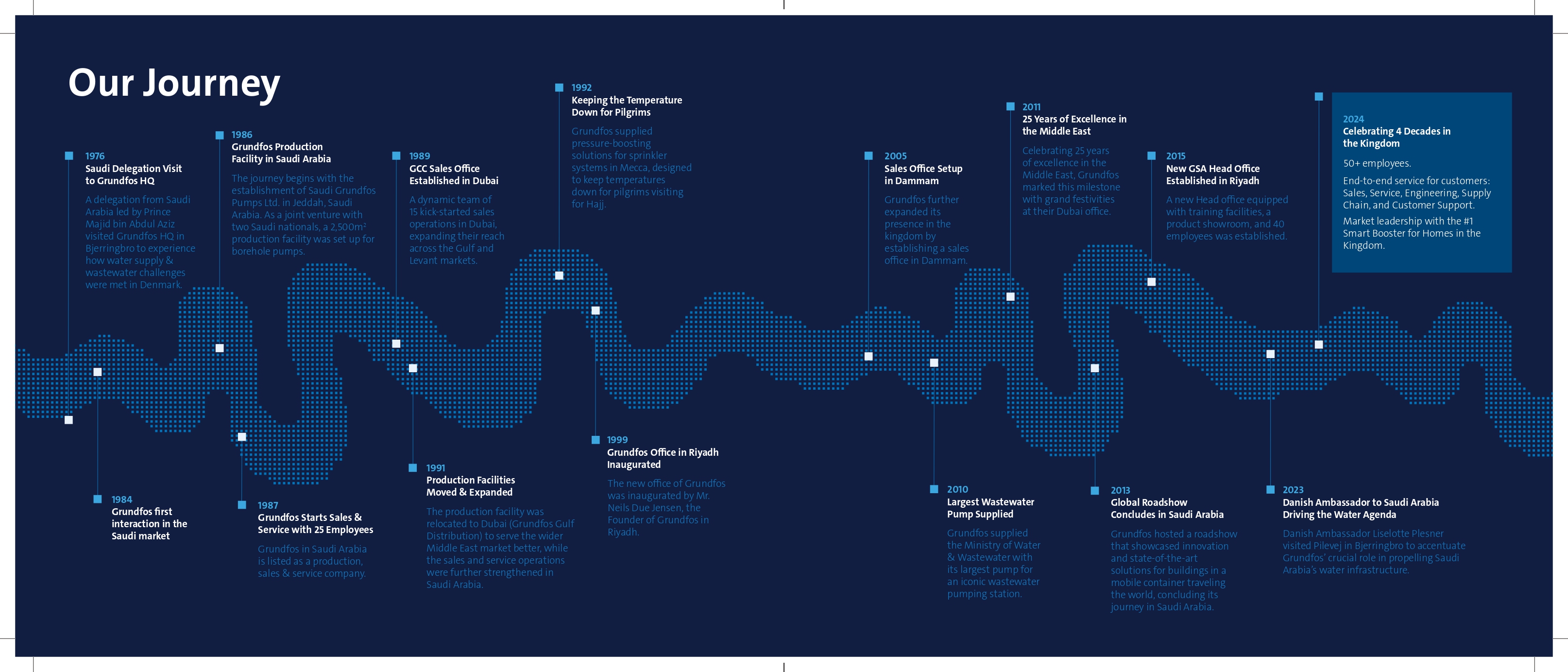
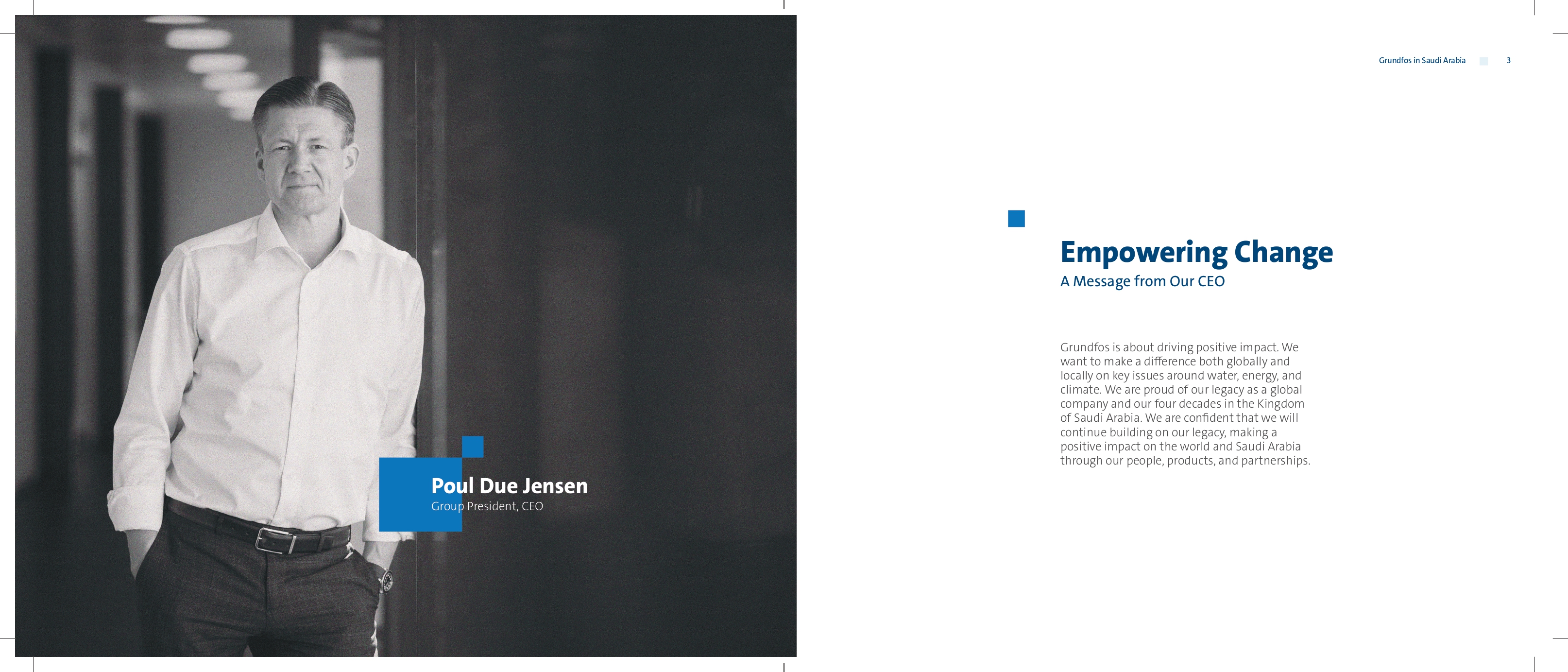
Designing a coffee table book is an exciting project that blends creativity, storytelling, and high-quality design. For an agency that specializes in coffee table books, our approach combines visual appeal with the ability to evoke a sense of luxury, sophistication, and emotional resonance for the reader. Here's a detailed breakdown of how as a print design agency we approach a coffee table book project, particularly focusing on a few essential elements:
1. Conceptualizing the Book’s Theme & Purpose
The first step is understanding the underlying theme or story that the book will tell. Whether it's about a brand, a product, a country, an artist, or a corporation, the theme will guide the visual and narrative direction.
For instance, Grundfos' coffee table book about its legacy and impact in Saudi Arabia is about blending corporate storytelling with cultural insights. A coffee table book for a similar client could focus on themes such as:
- Heritage and Innovation: A look at the history, milestones, and forward-thinking initiatives of the brand or company.
- Cultural Relevance: For projects in specific regions, incorporating local culture and visual aesthetics adds depth to the book.
- Impact and Social Responsibility: How a company contributes to society, sustainability, or global challenges.
- Luxury and Lifestyle: If the project is more lifestyle-oriented, a focus on high-end photography, design, and aspirational content can elevate the book’s appeal.
2. Designing with Storytelling in Mind
A coffee table book should tell a compelling story, so the design should seamlessly integrate visuals with narrative elements. Here are the design aspects to focus on:
- Cover Design: The cover should immediately capture attention. It needs to be intriguing, attractive, and reflective of the theme. For a corporate or cultural book, a minimalistic or sleek design might work, whereas a book focused on art or luxury might opt for bold, artistic photography on the cover.
- Layout & Typography: The layout should allow the reader to immerse themselves in the content. Large visuals, balanced with enough white space, give the reader space to absorb the images without feeling overwhelmed. Typography should align with the tone of the book—elegant for luxury-focused projects, or bold and modern for corporate-focused ones.
- Color Palette & Image Selection: The choice of colors should complement the book’s theme. Warm, earthy tones for a cultural story, or bright, energetic hues for a brand-driven story. Image selection is crucial: whether it’s a mixture of high-end photography, illustrations, or archival photos, each image should serve the narrative.
3. Integrating Cultural Elements
In projects like Grundfos' coffee table book, where cultural resonance is key, integrating cultural elements can make a huge difference. For instance:
- Local Motifs: Subtle cultural references, such as architecture, color palettes, or local textures, can be woven into the design.
- Storytelling Through Visuals: Highlighting key cultural landmarks, practices, or local traditions alongside the company’s impact can create a deeper connection.
- Fonts & Design Styles: Some projects may benefit from using fonts or design styles that align with local or regional aesthetics, adding a layer of authenticity to the book.
4. Content & Structure
The content should be structured to lead the reader through a journey that feels engaging and easy to navigate:
- Chapters & Segments: Divide the book into logical chapters that tell a progressive story. These can be arranged by theme, time period, or even geographical region.
- Captions & Text Blocks: While a coffee table book is visually driven, short and impactful text is essential to tie the imagery together. Captions should be succinct and informative, offering context without overwhelming the reader.
- Interactivity: Some modern coffee table books incorporate augmented reality (AR) or QR codes that lead to interactive experiences. This could be an innovative addition, particularly for corporate or tech-driven books.
5. Quality Production
Since a coffee table book is meant to be an object of value, its production quality must match its design. Elements to consider include:
- Paper Quality: High-quality, thick paper stock gives the book a luxurious feel. Matte, glossy, or textured finishes can be chosen based on the overall aesthetic.
- Binding: A well-bound book ensures durability. Hardcover bindings with special finishes (such as foil stamping, embossing, or matte lamination) can make a significant impact.
- Size and Format: While larger formats work best for high-impact visuals, the size should remain practical for display and handling.
6. Target Audience Considerations
Understanding the target audience is crucial for tailoring the design. Whether the book is for an internal corporate audience, potential clients, or the general public, the design needs to be aligned with what appeals to that group:
- Luxury Buyers/Art Enthusiasts: High-end aesthetics with a focus on craftsmanship and timeless appeal.
- Corporate Clients/Stakeholders: Professional, polished design with an emphasis on value, impact, and innovation.
- General Audience: For a broader audience, a balance of accessibility and luxury can work well—clear, informative content paired with striking visuals.
7. Marketing & Distribution
Once the book is designed, the marketing and distribution aspects should also be considered:
- Limited Editions: Creating limited edition prints can increase the perceived value and exclusivity.
- Gift/Corporate Packaging: For business-focused coffee table books, high-end packaging that accompanies the book can enhance its appeal as a corporate gift.
- Launch Events: Unveiling the book at exclusive events—whether virtual or physical—can create buzz and attract attention from your desired demographic.
Conclusion:
A coffee table book is more than just a design project—it’s an opportunity to weave together a story, culture, and brand narrative into a tangible and memorable object. A design agency specializing in coffee table books must focus on the interplay between visual design, content storytelling, cultural relevance, and high-quality production to ensure the final product is not just eye-catching, but also meaningful and impactful.


Publication Design
Experts

Akhilesh J
Lead Designer

Ekta Manchanda
Co-Founder | Principal Designer

Tanmaya Rao
Lead Brand Designer | Illustrator