


B2b Website Agency
A B2B website agency specializes in designing and developing websites that serve as strategic business tools—driving lead generation, communicating complex offerings, and building credibility with enterprise buyers.









What separates a great B2B website agency from a generic web shop?
Strategic understanding of B2B buying behavior. A great B2B website agency knows that your site needs to serve multiple stakeholders, support long sales cycles, and integrate with your marketing and sales stack. They design for conversion, not just aesthetics. Everything Design builds B2B websites that are strategic assets — fast, SEO-optimized, and engineered to generate and nurture leads through the entire funnel.
Design you B2b Website Agency with Everything Design
Book a call with a B2b Web Design Expert at Everything Design
Everything Design: A Premier B2B Website Agency
Everything Design is a dynamic, forward-thinking design agency that specializes in helping B2B brands create meaningful digital experiences. With a focus on website design and development, Everything Design offers a comprehensive range of services, from brand identity creation to seamless web experiences that drive business growth. Here's a detailed breakdown of the agency's approach, expertise, notable projects, and client successes.
The Missing Link in B2B Websites: What Really Matters for Buyers
When I first started out in B2B marketing, I was obsessed with conversion rate optimization (CRO) tactics. I spent countless hours A/B testing headlines, creating 15 landing page variations for every campaign, swapping out images, tweaking buttons, and obsessing over every little detail. The goal was simple: get people to click, convert, and—ultimately—buy.
But as time has passed, my focus has shifted. Now, the true obsession lies in something far more fundamental: buyer clarity.
I still think about what to say, how to say it, and all the technical aspects of a good CRO campaign. But here's the kicker: it's not just about pushing people down the funnel—it's about making sure they have all the right information at the right time.
What B2b Buyers Really Need to Know
In a b2b buyer journey when a buyer lands on your website, they aren’t there for the flashiest design or the most complex A/B test result. They’re looking for answers. They want to justify an expense—whether it’s a $5,000 subscription or a $100,000 enterprise solution. The question you need to ask yourself is: Are you giving them the information they need to justify their purchase?
Let's break this down. Buyers don’t need to know everything. They need to know the right things. And more often than not, B2B websites miss the mark on delivering this clarity.
The Core Questions Every Buyer Has
Think about the last major purchase you made. You probably asked yourself a series of basic questions before pulling the trigger. When buyers approach a B2B website, they’re asking much the same thing.
- What is this product or service?
Keep it simple. Is it something I can easily explain to someone in my department, my company, or a colleague? Or do I need a roadmap to even begin to understand it? - Is it for me?
Buyers want to know if your solution is the right fit for their role, their department, or their company. Does it solve their specific problem, or is it too generalized? - What are my options to solve this problem?
Buyers are doing their research. They want to know how your solution compares to others in the market. What are the alternatives, and how do they stack up? - How much does it cost?
This is a no-brainer. Buyers want clarity on pricing. They need to know if it fits within their budget and if it's a worthwhile investment. If you're not transparent about cost, you're leaving potential buyers in the dark, which leads to frustration. - What are other people saying about it?
Social proof is key. Testimonials, case studies, reviews—these are all critical for establishing trust. If your website doesn’t showcase the experiences of past customers, you're missing a huge opportunity. - What are the frequently asked questions (FAQs)?
Think about the questions you often get asked in a sales call or a customer support conversation. Your website should address these common queries upfront. Anticipating concerns shows that you understand your audience. - What happens after I engage or sign up?
Buyers want to know what happens next. Is there an onboarding process? A trial period? What steps will they need to take once they make the commitment?
Why the Majority of B2B Websites Fall Short?
The truth is, most B2B websites only skim the surface of these questions. They talk about their product or service in broad, lofty terms but fail to answer the questions that actually matter to the buyer. They assume that simply having a contact form or a “request a demo” button is enough.
But here's the problem: You can't expect buyers to commit to a $20,000 investment based on vague promises. Without providing the right information, they’re left making decisions based on incomplete data, which leads to long sales cycles, slow responses, and, worse, lost deals.
Let's Be Honest: We Are the Problem
I’ve worked with countless B2B clients who were frustrated by their slow sales cycles and poor lead quality. The common thread? Their websites weren’t helping buyers make decisions—they were just full of flashy marketing jargon and too many calls-to-action. The buyers couldn’t justify the expense because they didn’t have the necessary details.
As marketers, we need to own that. We need to take responsibility for the poor conversion rates and long sales cycles we often experience. The key is simple: focus on what really matters to the buyer. Provide clarity.
What You Can Do Better
- Make it clear: Don’t just list features—explain the value each feature provides in terms buyers care about.
- Answer the critical questions: Address the buyer’s pain points head-on and provide clear, concise answers to all their potential concerns.
- Offer transparency: Don’t hide your pricing behind gates. Be upfront and show how your pricing compares to industry standards.
- Create compelling social proof: Include real testimonials, case studies, and user-generated content to validate your solution.
- Be straightforward about next steps: Outline the process post-engagement. Help buyers visualize the journey they’ll go on after they buy.
Conclusion: Clarity is Key
At the end of the day, the best B2B websites aren’t those with the most fancy designs or the most complex CRO tests. They’re the websites that give buyers the clarity they need to justify a purchase. If you want to increase your conversions, shorten your sales cycles, and improve the quality of your meetings, start by asking yourself: Are we giving our buyers the clarity they need to justify this purchase?
If the answer is no, it’s time for a rethink.
Let's do better.
This approach will help you connect with your audience on a deeper level and turn your B2B website into a trusted resource that buyers can rely on to make informed decisions.
1. Everything Design Agency Overview
Everything Design is a Bengaluru-based agency that leverages years of expertise to help Series B+ funded companies elevate their digital presence. They specialize in creating scalable, SEO-optimized websites that drive real business results for B2B clients. The agency's core philosophy is centered around the concept of "Lead Change," helping clients adapt and thrive in a constantly evolving digital landscape.
Their multidisciplinary team is made up of experts in design, development, marketing, and strategy. The agency operates with a high degree of collaboration between team members, ensuring that each project is approached with creativity, precision, and efficiency. They excel at turning complex business needs into clear, compelling digital experiences.
2. What Everything Design Does?
a. Branding & Identity Design
Everything Design helps companies establish strong, clear, and memorable brand identities. They focus on crafting logos, brand guidelines, and overall visual communication strategies that resonate with the target audience and align with business goals. Their branding process includes:
- Brand Workshops: In-depth sessions to understand the client's vision, values, and target audience.
- Visual Identity: Designing logos, typography, color schemes, and other visual assets that reflect the brand's essence.
- Brand Messaging: Creating clear and impactful messaging that resonates across all platforms.
b. Website Design & Development
Everything Design specializes in designing websites that provide seamless user experiences while being visually engaging. They are particularly known for their expertise in Webflow, ensuring websites are highly responsive, fast, and SEO-optimized. Their services include:
- Custom Web Design: Tailored website design that reflects the brand identity and ensures functional and aesthetic harmony.
- User Experience (UX) & User Interface (UI): Focused on designing intuitive, accessible, and easy-to-navigate websites that drive conversions.
- Web Development: Using Webflow and other cutting-edge technologies to build scalable and secure websites.
- SEO Optimization: Ensuring the website ranks high on search engines by implementing effective SEO strategies and ensuring the site is technically optimized.
- E-Commerce Development: Helping businesses establish robust online stores with custom e-commerce solutions.
- Content Strategy: Creating content plans that align with SEO goals and the overall marketing strategy.
c. Motion Design & Video Production
Everything Design goes beyond static visuals by incorporating dynamic elements through motion graphics. They help clients communicate their story with video content that engages and informs. Their approach includes:
- Explainer Videos: Creating concise, informative videos that help businesses explain their offerings in a compelling way.
- Brand Films: Developing short, impactful videos that capture the essence of a brand, its values, and vision.
- Motion Graphics: Integrating motion design elements into websites and presentations for a dynamic user experience.
3. How They Do It: The Process
Everything Design follows a highly collaborative, results-driven process:
Step 1: Discovery & Research
The agency starts by immersing themselves in the client’s business, understanding their goals, industry challenges, and target audience. They conduct market research and competitive analysis to uncover opportunities for differentiation and growth.
Step 2: Strategy & Concept Development
Based on the insights gathered, they work closely with the client to develop a comprehensive strategy. This phase includes defining the website’s structure, messaging, and design direction.
Step 3: Design & Prototyping
The design team works on creating initial mockups, wireframes, and prototypes. Clients are involved throughout the process to ensure alignment and feedback.
Step 4: Development & Testing
Once the design is approved, the team moves on to development, ensuring all functionalities work as intended. They use Webflow, along with other technologies, to build the website. The site is tested thoroughly for bugs, usability, and compatibility across devices.
Step 5: Launch & Post-Launch Support
After a successful launch, the team offers ongoing support to ensure the website remains functional, up-to-date, and continues to meet business goals.
4. Notable Projects and Success Stories
a. Stellaris Venture Partners
Everything Design helped Stellaris, a venture capital firm, revamp their website to reflect their innovative and forward-thinking brand. The new design ensured that Stellaris’ messaging was clear and accessible, while the improved layout enhanced the user experience. The firm saw increased engagement and stronger brand recognition post-launch.
b. Organo Palgutta
For Organo Palgutta, a sustainable real estate development project, Everything Design worked on the branding and website. The website showcased the company’s unique value proposition—emphasizing slow living, community, and sustainability. This project was pivotal in attracting high-quality leads, and the website’s SEO optimization significantly improved organic traffic.
c. Alkemiz
Everything Design was involved in branding and website design for Alkemiz, a client in the healthcare sector. They created a website with an intuitive design and easy-to-navigate structure, significantly enhancing the user experience. The project was well-received by the client, and the enhanced digital presence helped position Alkemiz as a leader in their niche.
5. Client Feedback & Success Metrics
Everything Design prides itself on having long-lasting relationships with its clients, thanks to their focus on delivering high-quality, results-driven work. Here’s some feedback from clients:
- Unite Breweries: “The team understood our vision from the start and delivered a website that not only meets but exceeds our expectations. Their expertise in Webflow was evident throughout the process.”
- BCG (Boston Consulting Group): “Everything Design’s work is impactful. They took the time to understand our business and created a web experience that has increased engagement and conversion.”
- Alkemiz: “Our new website is functional, aesthetically pleasing, and most importantly, it serves our needs as a healthcare provider. Everything Design went above and beyond in creating a site that aligns with our values.”
Success Metrics:
After completing the website redesigns, Everything Design reports notable improvements in key metrics:
- Increased Website Traffic: Improved SEO strategies led to higher search rankings, increasing organic traffic.
- Higher Conversion Rates: Clear CTAs, intuitive design, and user-friendly interfaces resulted in more leads and sign-ups.
- Enhanced Brand Visibility: Clients reported a stronger online presence and better brand recognition in their respective markets.
6. Team Capabilities
Everything Design’s team is comprised of highly skilled professionals across various domains:
- Designers: Experts in UX/UI, branding, and visual design.
- Developers: Proficient in Webflow, HTML, CSS, JavaScript, and custom integrations.
- Motion Designers: Specializing in creating dynamic visuals that add depth to the user experience.
- SEO Experts: Skilled in technical SEO, content strategy, and keyword optimization to improve search engine rankings.
- Project Managers: Highly organized, ensuring smooth project execution from start to finish.
The team’s collective expertise ensures that Everything Design delivers a comprehensive solution to clients, handling everything from design to development and ongoing support.
7. Client Industries and Sectors
Everything Design works with clients across a wide range of industries, ensuring each project is tailored to meet specific business needs. Their key sectors include:
- Healthcare: Designing user-friendly websites that align with industry standards and regulations while enhancing the patient experience.
- Venture Capital & Finance: Creating clean, professional websites that clearly communicate value propositions and attract investors.
- Technology & SaaS: Building intuitive, high-performance websites for tech companies and SaaS platforms.
- Real Estate: Developing visually compelling websites for sustainable living projects, integrating dynamic features like virtual tours and interactive floor plans.
- Consulting & Education: Designing websites that help position firms as thought leaders, focusing on clear messaging and brand storytelling.
8. Future Goals and Innovation
Everything Design is constantly evolving, exploring new technologies and trends to stay at the cutting edge of the design world. The agency is heavily invested in AI and motion design, believing these tools will offer their clients new, innovative ways to engage their audience.
They also plan to continue refining their Webflow development expertise and expand their portfolio with more large-scale enterprise projects in the B2B sector.
Conclusion
Everything Design’s expertise in B2B website design and development makes them a leader in the industry. Their focus on high-quality design, user experience, and measurable results ensures that clients receive exceptional value. Whether working on branding, web design, or motion graphics, Everything Design’s team is equipped to deliver results that drive growth and improve brand presence. With a strong portfolio, a diverse client base, and a results-driven approach, Everything Design is well-positioned to continue leading the way in the B2B digital design space.
FAQs
B2b Website Agency Projects

Lumora Security
Branding and website design for Lumora Security, a cybersecurity solutions provider for growing businesses
.avif)
Fortuna Cysec
Brand strategy and website design for Fortuna Cysec, an AI-driven managed security services provider for threat detection and compliance
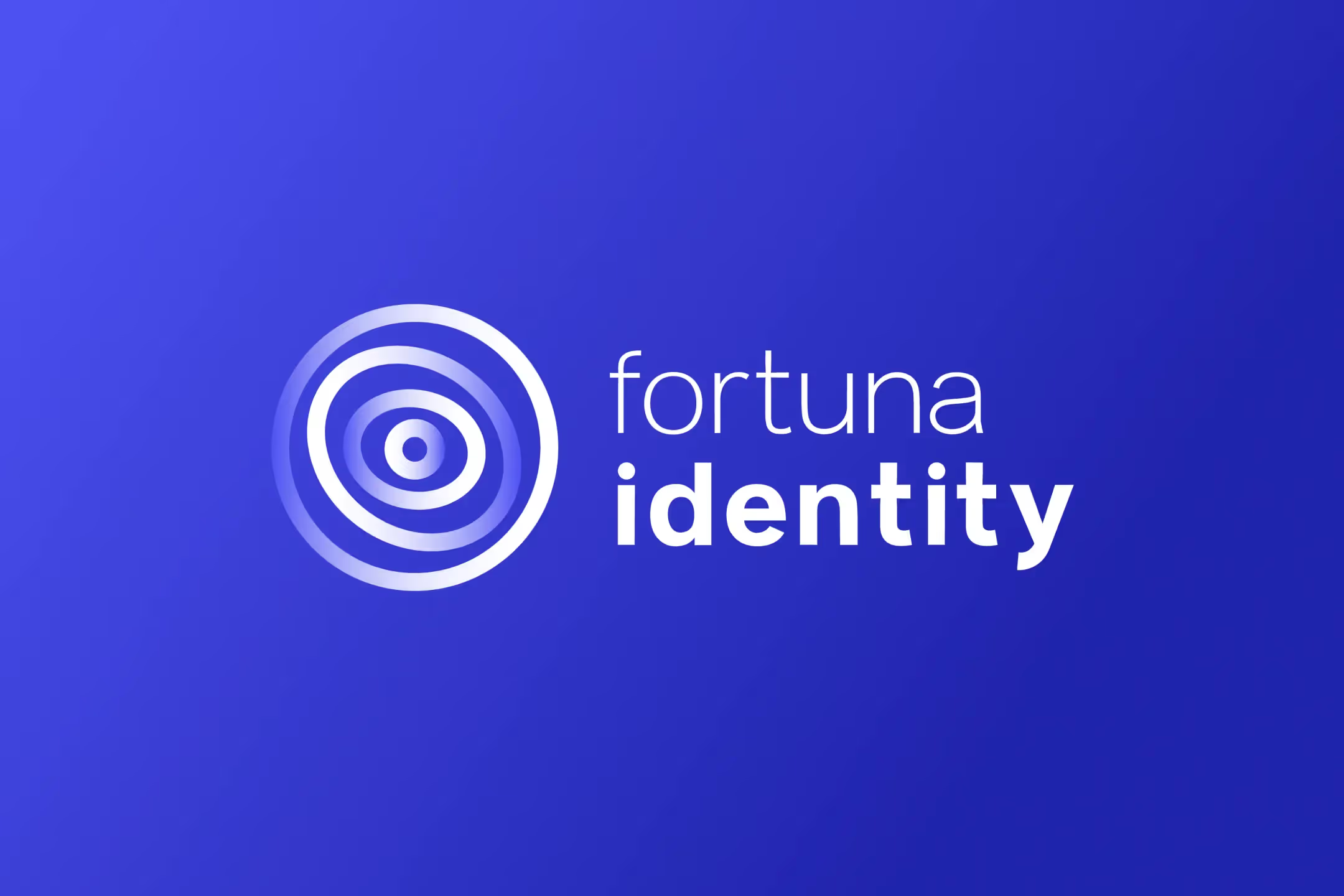
Fortuna Identity
Brand strategy and identity design for Fortuna Identity, a cybersecurity firm specializing in identity and access management
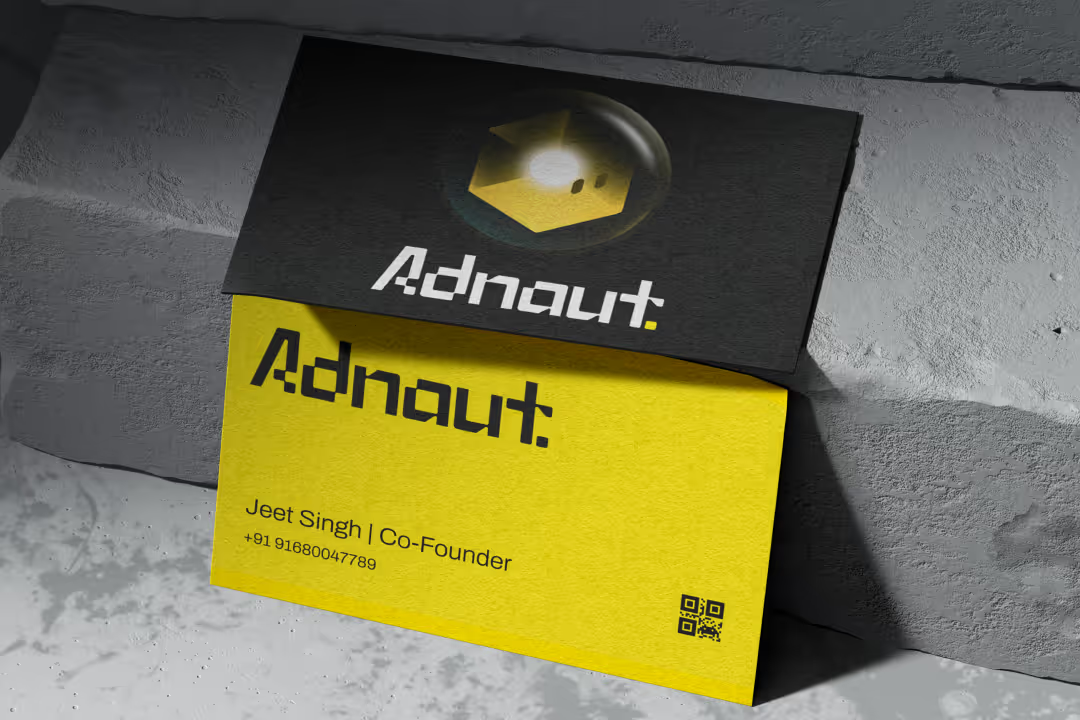
Adnaut
Rebrand and website design for Adnaut, a technology-driven digital media and ad tech consultancy
B2b Website
Experts

Mejo Kuriachan
CEO | Partner | Brand Strategist

Saurabh Chakradhari
Head of Webflow Department

Sanjana
Lead Designer