


Best Technology Branding Agency
In tech, the brand earns the first demo. If your visual identity, narrative, and website do not signal what your product is, who it's for, and why it's credible — buyers move on before they meet your sales team.











What does a technology branding agency actually do?
We are a technology branding agency that runs every engagement diagnosis-first. Positioning before identity, identity before website. Clients include Botim, Bizongo, Progcap, Tredence, 5x, Kandou AI, Cloudphysician, and Stellaris — brands where the work has to hold up to founders, enterprise buyers, and investors.
How to Find the Right B2B Branding Agency for Your Tech Company (2026 Guide)
Whether you're a SaaS startup prepping for Series A or an enterprise software company lost in a crowded market, your brand is either opening doors — or quietly closing them. Here's how to find the agency that actually gets B2B.
Every B2B tech founder hits the same wall eventually. Your product is strong, your team is sharp, but your brand feels… generic. Investors glaze over your pitch deck. Enterprise buyers can't tell you apart from three other vendors. Top engineers pick the competitor with the cooler website.
Sound familiar? You're not alone — and the right branding partner can change everything. But finding that partner in a sea of agencies is its own challenge. This guide breaks down exactly what to look for, what to avoid, and how to evaluate agencies based on your specific situation.
Why Design Is a Third Pillar for Deep Tech — Not a Deliverable
Before the agency-selection mechanics, here is the strategic frame that should drive the decision: for a deep tech, hard tech, vertical AI, or hardware company, design is not a deliverable you commission once the product works. It is a third pillar that bears as much structural load as the technology itself and the commercial engine.
The reason is specific to deep tech. The harder your technology is to understand, the more weight your design has to carry. The investor deciding whether to lead the round, the grant committee deciding whether you are credible enough to fund, the enterprise partner deciding whether to risk a pilot — none of them experience your technology directly at the moment of decision. They read the proxies: how clearly you explain what you do, whether the visual world around the technology feels built by people operating at the level the technology implies, whether the deck and the website and the one-pager reinforce the same authority or quietly contradict each other.
When those signals are incoherent, the cost is commercial, not aesthetic. The investor who has to work to understand you discounts you against the company that made it easy. The grant committee gives the benefit of the doubt to the application that reads as credible at a glance. The enterprise partner reads visual incoherence as operational risk. When the signals are coherent and consistent over time, design compounds into a credibility asset — visible in how companies raise, how they close grants, and how they win pilots. The full argument for why design is the third pillar of a deep tech company is here.
1. Know What Kind of Agency You Actually Need
Not all branding agencies are built the same. Before you start Googling "best B2B branding agencies for tech startups," get clear on what you're really after.
Brand strategy agencies focus on positioning, messaging, and market differentiation. They'll help you articulate why you exist and who you're for. If your brand doesn't resonate with target investors or enterprise buyers, start here.
Brand identity agencies handle the visual system — logo, color palette, typography, design language. If your SaaS company has an outdated visual identity and you're struggling to stand out, this is your lane. A strong SaaS branding agency will understand how to balance visual sophistication with the clarity enterprise buyers demand.
Full-service branding + web design agencies combine strategy, identity, and digital execution. They'll take you from positioning all the way through to a polished, investor-ready website. For most B2B tech companies, this is the sweet spot — especially if your current website doesn't showcase your competitive advantages effectively. Look for agencies that offer end-to-end branding, web design, and video solutions under one roof, so the strategy translates seamlessly into execution.
Brand management agencies help enterprise software companies maintain and evolve an existing brand across teams, products, and markets. Think brand governance, guidelines enforcement, and multi-product architecture.
The difference between a branding company and a full-service marketing agency matters too. Marketing agencies run campaigns. Branding agencies build the foundation those campaigns stand on. For a rebrand or repositioning, you want specialists, not generalists.
2. Look for Deep B2B and Tech Expertise
This is the single biggest filter. A gorgeous portfolio of D2C beauty brands means nothing if the agency can't translate complex technical products into clear enterprise value propositions.
What to look for:
- Case studies with SaaS, cybersecurity, fintech, data science, or enterprise software clients specifically. A technology branding agency with cross-vertical B2B experience will ramp up faster than a generalist.
- Experience making complex tech services accessible without dumbing them down
- Understanding of B2B buying cycles, multiple stakeholders, and the investor audience
- Familiarity with your vertical — an agency that's branded cybersecurity companies will understand your competitive landscape faster than one learning the space from scratch
Red flags:
- Portfolio is 90% consumer brands
- They can't explain what your product does after reading your website
- No experience with the dual audience challenge (enterprise customers and investors)
3. Evaluate Their Portfolio for Your Specific Situation
Different company stages need different things. Here's what to look for based on where you are:
If you're a startup preparing for funding (Series A or B):Look for agencies with a proven track record helping companies raise funding through better branding. Ask specifically: "Which of your clients raised a round within 12 months of working with you?" Your deliverable needs to be an investor-ready website that builds credibility and clearly differentiates you from competitors. Browse real project examples to see how agencies present portfolio work — the depth of their case studies tells you a lot about the depth of their thinking.
If you're an established enterprise software company repositioning:Look for brand strategy depth — agencies that do competitive audits, customer research, and positioning workshops before touching a pixel. You need a partner who can help you stand out to both customers and engineering talent in a crowded market.
If you need a full rebrand (logo, identity, website, everything):Look for agencies that handle the entire arc. Disjointed brand strategy from one shop and visual execution from another rarely produces great work. The best B2B branding agencies deliver what most agencies split across three vendors — strategy, identity, and web — in a single cohesive engagement. Ask to see before-and-after case studies of complete rebrands for SaaS startups.
If your brand is generic and doesn't communicate your technical advantage:You need an agency that digs into your actual product differentiation — not one that slaps a trendy visual style on top of vague messaging. Look for agencies whose case studies show clear positioning shifts, not just visual refreshes.
4. Vertical Expertise Matters More Than You Think
B2B tech isn't one market — it's dozens. The language, buyer psychology, and competitive dynamics differ dramatically across verticals. Here's why picking an agency with experience in your vertical accelerates everything:
Fintech: Regulated industries demand precision in messaging. A fintech branding agency understands how to build trust with institutional investors and compliance-conscious enterprise clients — without sounding like a legal disclaimer. They know the difference between branding for payments infrastructure vs. lending platforms vs. insurtech, and how to design for fintech in a way that communicates both innovation and reliability.
Cybersecurity: The market is saturated with fear-based messaging and generic shield logos. An agency experienced in cybersecurity branding can help you differentiate on capability and trust rather than just threat anxiety.
AI and Deep Tech: Explaining what your product actually does is half the branding challenge. Agencies that specialize in branding for AI companies and deep tech know how to make complex technology tangible for non-technical decision-makers without oversimplifying.
Enterprise SaaS: The B2B website agency you choose should understand long sales cycles, multi-stakeholder buying committees, and the difference between product-led and sales-led motions — because each requires a fundamentally different website strategy.
Check an agency's industry experience to see if they've worked in your specific vertical.
5. Ask the Right Questions During Evaluation
Here are the questions that separate great B2B branding agencies from the rest:
About their process:
- "Walk me through how you'd approach a brand refresh for a B2B company whose brand no longer resonates with target investors."
- "How do you handle the tension between appealing to technical buyers and C-suite decision-makers?"
- "What does your research phase look like before any creative work begins?"
About results:
- "Can you share a case study where your rebrand directly impacted a client's ability to secure funding or close enterprise deals?"
- "How do you measure branding success beyond 'it looks good'?"
About your specific vertical:
- "What experience do you have with [fintech/cybersecurity/data science/enterprise SaaS] companies?"
- "What portfolio examples can you share from companies at our stage and in our space?"
About collaboration:
- "How much access will we have to the senior strategist vs. junior designers?"
- "What does the typical timeline look like for a B2B tech rebrand?"
Agencies that are transparent about their team structure and who'll actually work on your project are usually more honest about everything else too.
6. Understand What the Process Typically Looks Like
A credible B2B branding agency will follow a structured process. If they jump straight to mockups, that's a warning sign.
Phase 1: Discovery & Research (2–4 weeks)Stakeholder interviews, competitive analysis, customer research, market positioning audit. The best agencies will spend significant time researching your vertical rather than rushing to aesthetics. This is where the strategic foundation gets built.
Phase 2: Brand Strategy (2–3 weeks)Positioning, messaging framework, value proposition, brand personality, and audience definition. You should walk away with a clear articulation of what makes you different and why it matters.
Phase 3: Visual Identity (3–5 weeks)Logo, color system, typography, iconography, photography direction, and design language — all informed by the strategy. For B2B tech, the visual identity needs to balance credibility with approachability.
Phase 4: Website Design & Build (6–10 weeks)Information architecture, UX design, visual design, copywriting, development, and launch. This is where your brand becomes tangible for prospects and investors. The best agencies handle both website design and development — including platforms like Webflow — so nothing gets lost in translation between design and code.
Phase 5: Brand Guidelines & Handoff (1–2 weeks)A comprehensive guide that ensures your team can maintain brand consistency across every touchpoint.
Total timeline: typically 4–6 months for a full B2B tech rebrand with website.
7. Budget Realistically
B2B branding isn't cheap, and you generally get what you pay for.
- Brand strategy only: $25K–$75K
- Brand identity (strategy + visual system): $50K–$150K
- Full rebrand with website: $100K–$300K+
- Enterprise-level repositioning: $200K–$500K+
For startups preparing for a funding round, think of it as an investment in your valuation story. For enterprise companies, it's the cost of staying competitive in a market where every vendor's website looks the same.
Agencies at the lower end of these ranges can be excellent — especially boutique firms with deep B2B specialization. You're paying for strategic thinking, not headcount.
8. Where to Start Your Search
Skip the generic agency directories. Here's how to actually find B2B branding specialists:
- Look at companies you admire in your space. Check their website footers for agency credits, or ask founders directly who did their brand work.
- Ask your investors. VCs see hundreds of pitches and know which portfolio companies had the best branding transformations.
- Check B2B design awards. Look at Webby Awards (B2B category), Awwwards, and Brand New for enterprise-focused work.
- Search specifically. Terms like "B2B branding agency for SaaS" or "brand design firms specializing in enterprise software" will surface specialists. Generic searches return generalists.
- Ask in founder communities. Slack groups, LinkedIn communities, and founder networks are goldmines for honest agency referrals.
- Read agency blogs. An agency that publishes substantive thinking about SaaS website strategy or B2B positioning is probably practicing what they preach.
9. Final Checklist Before You Sign
Before committing to an agency, run through this:
- [ ] They have relevant B2B tech case studies (not just consumer brands)
- [ ] They can articulate your competitive differentiation back to you
- [ ] Their process starts with strategy, not design
- [ ] The senior people in the pitch will actually work on your project
- [ ] They understand your dual audience (buyers + investors, or technical + executive)
- [ ] Timeline and budget align with your fundraising or go-to-market milestones
- [ ] You've spoken to at least one client reference in a similar industry
- [ ] The chemistry is right — you'll be working closely for months
The Bottom Line
Your brand isn't just a logo or a website. For B2B tech companies, it's the difference between being seen as a credible market leader and being another forgettable vendor in a crowded landscape. Whether you're a fintech startup building credibility before your first institutional pitch or a cybersecurity company that needs to stand out before a Series B, the right branding agency won't just make you look better — they'll help you communicate your value in a way that moves enterprise buyers and investors to action.
The search takes time. But getting this right is one of the highest-leverage investments a B2B tech company can make.
Ready to talk about your brand? Let's start a conversation →
The Importance of Branding in the Tech Industry
In today's tech-driven world, companies are born and shaped in an environment of rapid innovation, competition, and digital transformation. While having cutting-edge technology and groundbreaking products is essential, the success of a tech company hinges significantly on its branding. In a highly competitive market, branding is more than just a logo or a tagline; it is the perception of a company in the minds of consumers. Effective branding helps tech companies differentiate themselves, build trust, create emotional connections with customers, and ultimately foster loyalty.
The Role of Branding in the Tech Industry
Branding in the tech industry plays a crucial role in a company’s growth and visibility. With thousands of tech startups launching every year, the market is saturated with options for consumers. Brands like Apple, Google, and Microsoft have set the bar high by consistently delivering experiences that are both innovative and emotionally resonant with consumers. However, newer brands like Nothing have also gained prominence by breaking away from standard norms, focusing on transparency, human-centered design, and positioning themselves as unique in the marketplace.
Branding helps customers make choices in a crowded field. For instance, in the realm of smartphones, companies like OnePlus and Samsung have to continuously differentiate themselves not just through technology but through branding strategies that highlight the unique aspects of their user experience, value proposition, and community engagement. Without strong branding, even a company with the most advanced technology risks being drowned out by competitors with clearer, more defined identities.
Understanding Technology Branding Agencies
Tech companies increasingly turn to technology branding agencies to ensure their brands resonate with their target audiences and stand out in the crowded marketplace. A technology branding agency specializes in understanding the unique needs of tech businesses and crafting a brand identity that appeals to both the technical community and broader consumers.
Unlike generalist agencies, tech branding agencies understand the fast-evolving nature of the technology space, where new products, services, and trends appear rapidly. They also recognize the importance of balancing innovation with trust—two key factors in building lasting relationships with tech-savvy customers.
The Role of Technology Branding Agencies
What Does a Technology Branding Agency Do?
A technology branding agency is tasked with helping tech companies establish and develop their brand identity. These agencies are well-versed in the industry’s competitive landscape and focus on several key functions:
- Brand Development: Creating a brand that resonates with the target audience, encompassing everything from a brand’s mission, vision, and values to its personality and tone.
- Strategy Formulation: Developing a strategic plan to position the brand within the marketplace, often focusing on differentiation and value propositions that make the company stand out.
- Creative Execution: Designing the brand’s visual identity, messaging, and experience, including everything from logos and websites to advertisements and user experience (UX) design.
Benefits of Collaborating with a Technology Branding Agency
- Specialized Expertise: Tech branding agencies bring deep knowledge of the tech industry and understand the complexities of B2B and B2C tech markets. They can provide insights into trends, customer behavior, and effective branding strategies that are unique to the tech sector.
- Access to Innovative Tools: These agencies leverage cutting-edge technologies and data analytics tools to track brand performance, understand audience engagement, and optimize strategies.
- Industry-Specific Insights: Because of their focus on technology, these agencies stay ahead of industry shifts and emerging trends, ensuring the brand stays relevant and appealing.
How a Technology Branding Agency Elevates Your Business
By working with a specialized agency, tech companies can increase their visibility, create a strong identity, and foster customer loyalty. For example, companies like Slack have excelled by working with branding agencies to craft a recognizable and consistent brand identity that stands out among enterprise communication tools.
A well-executed brand strategy can lead to increased customer retention, higher sales, and a better reputation in the industry. Dropbox, for instance, partnered with agencies to create a playful and creative brand identity, making cloud storage not just a functional product but a friendly, easy-to-use service.
Key Strategies Used by Technology Branding Agencies
Brand Positioning and Differentiation
Brand positioning is the process of establishing a unique identity in the market. Tech branding agencies help companies define how they are different from competitors by focusing on the unique aspects of their products, services, or corporate values. For example, Tesla positioned itself as not just another car manufacturer but as a pioneer in electric mobility, aligning its brand with sustainability and cutting-edge technology.
Visual Identity Development
A compelling visual identity is crucial for tech companies that aim to be memorable. Agencies help craft logos, color schemes, typography, and other design elements that align with the company's mission and audience expectations. Adobe has successfully rebranded its visual identity multiple times to maintain a cutting-edge and creative appeal, keeping its product suite relevant to new generations of users.
Messaging and Communication Strategy
Tech branding agencies help companies communicate clearly and effectively, ensuring that messaging aligns with the company’s core values and speaks to the target audience. For instance, Zoom built a clear and concise communication strategy, especially during the pandemic, emphasizing ease of use and accessibility for businesses and individuals alike.
Brand Experience Design
Brand experience design encompasses all customer touchpoints, from websites to physical products. Agencies design these experiences to be cohesive and engaging, creating a seamless and enjoyable brand journey. Apple’s stores are a prime example, offering not just products but a branded experience that enhances customer satisfaction and loyalty.
Case Studies: Successful Tech Branding Campaigns
Examples of Successful Tech Branding
- Spotify: Through consistent messaging and a unique visual identity, Spotify has become synonymous with music streaming, outpacing competitors like Apple Music by focusing on personalization and community-building efforts through their Wrapped campaigns.
- Airbnb: By partnering with branding agencies, Airbnb transitioned from a simple marketplace for lodging to a globally recognized brand promoting travel experiences, cultural exploration, and the concept of belonging anywhere.
Analysis of Success Factors
The success of tech branding campaigns often comes down to a few key factors:
- Innovative Design: Engaging, forward-thinking designs that make brands memorable.
- Strategic Messaging: Clear, focused messaging that appeals to the target audience's values.
- Effective Execution: Seamless implementation across all platforms, from digital to physical touchpoints.
How to choose the right Technology Branding Agency?
Factors to Consider When Selecting an Agency
When selecting a technology branding agency, businesses should evaluate:
- Industry Experience: Does the agency have experience working with tech companies?
- Portfolio Quality: Reviewing the agency’s previous work can offer insight into its creative capabilities.
- Client Testimonials: Positive feedback from past clients is often a good indicator of the agency’s ability to deliver results.
Questions to Ask Potential Agencies
- How do you approach tech branding?
- What tools do you use to track brand performance?
- How do you ensure that your branding strategies align with our business goals?
Tips for Ensuring a Successful Partnership
Building a strong relationship with a branding agency involves:
- Setting Clear Expectations: Defining goals and benchmarks early on.
- Maintaining Open Communication: Regularly sharing feedback and ideas.
- Being Open to Creative Collaboration: Allowing the agency to explore and propose innovative solutions.
Conclusion
Recap of the Benefits
Working with a technology branding agency can lead to enhanced brand recognition, stronger customer engagement, and a significant competitive edge. These agencies provide tech companies with the expertise, tools, and strategies needed to build lasting and impactful brands.
Final Thoughts on the Impact of Branding on Tech Businesses
In a market as competitive as the tech industry, strong branding can make the difference between success and obscurity. Companies that invest in strategic branding not only attract more customers but also build long-term loyalty, ensuring sustained growth and success. Effective branding isn’t just a marketing tool—it’s a business strategy that drives growth in the ever-evolving technology sector.
Technology Branding Projects

Swiffy Labs
Brand and website design for Swiffy Labs, a modular fintech lending infrastructure platform
SimpliContract
Brand and website design for SimpliContract, an AI-powered contract lifecycle management platform

Tunnel
Brand and website design for Tunnel, a payment automation platform built for equipment manufacturers

Expent
Brand and website design for Expent, a vendor lifecycle management platform from sourcing to renewal
ASPI & CIS Tech Diplomacy
Website design for ASPI & CIS Tech Diplomacy, a platform exploring technology policy and digital governance
Compport
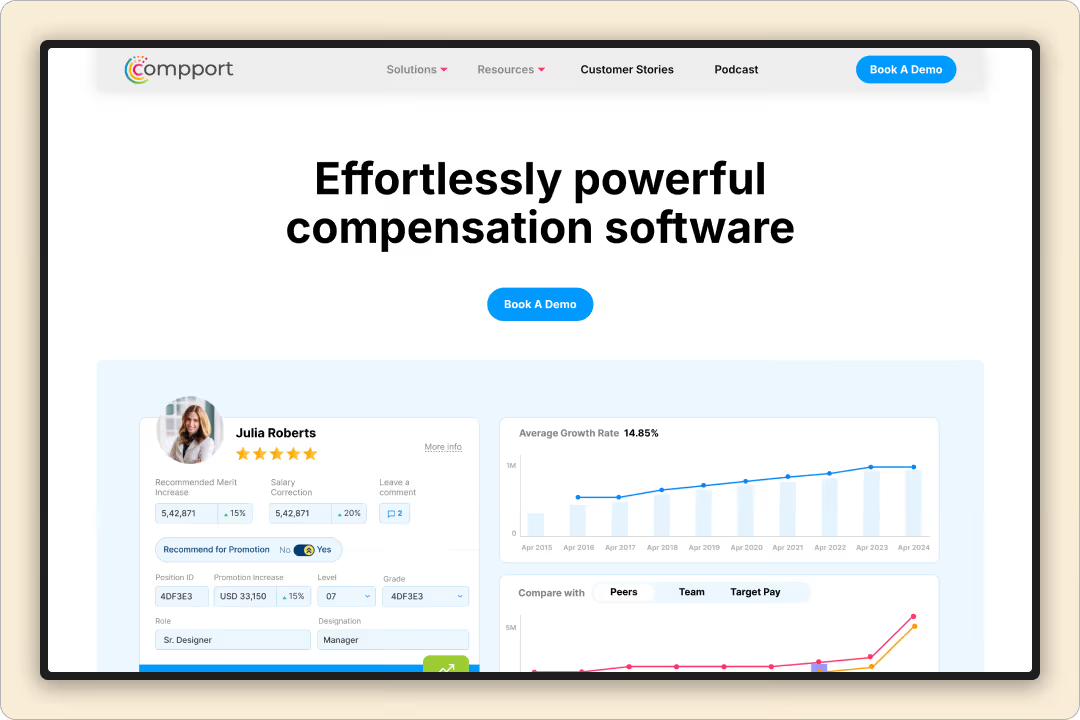
Brand and website design for Compport, an AI-powered compensation management platform for equitable and transparent pay decisions
.avif)
Fortuna Cysec
Brand strategy and website design for Fortuna Cysec, an AI-driven managed security services provider for threat detection and compliance
Fortuna Identity
Brand strategy and identity design for Fortuna Identity, a cybersecurity firm specializing in identity and access management
IVY homes
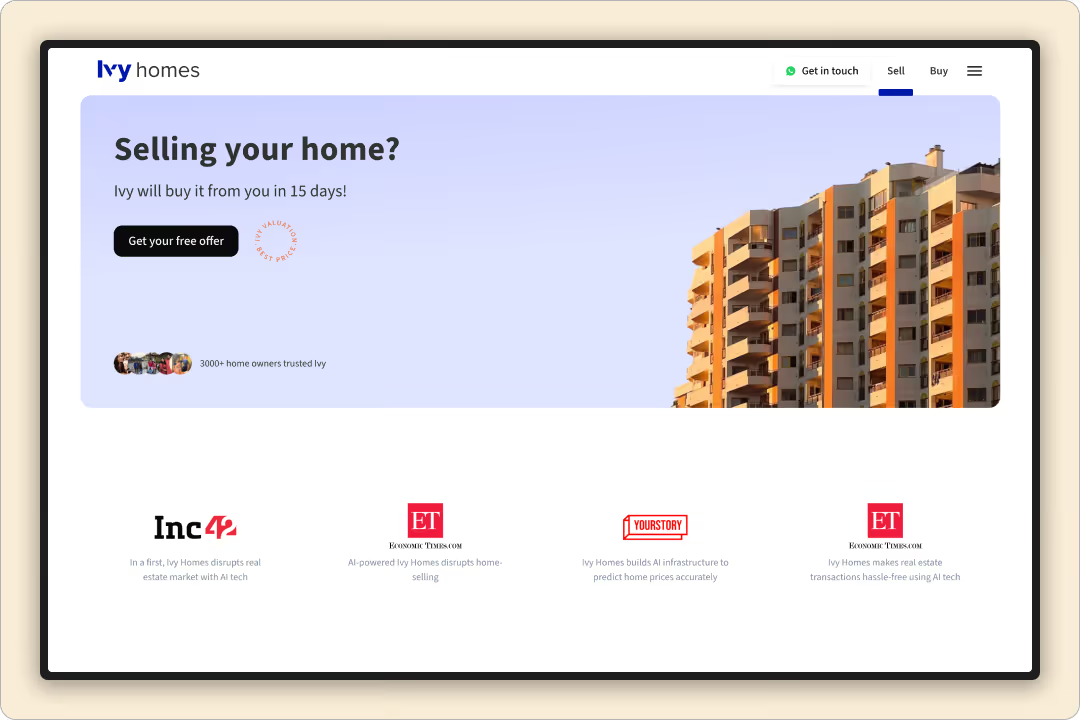
Brand and website design for IVY Homes, a technology-driven real estate platform for hassle-free home buying and selling
Progcap
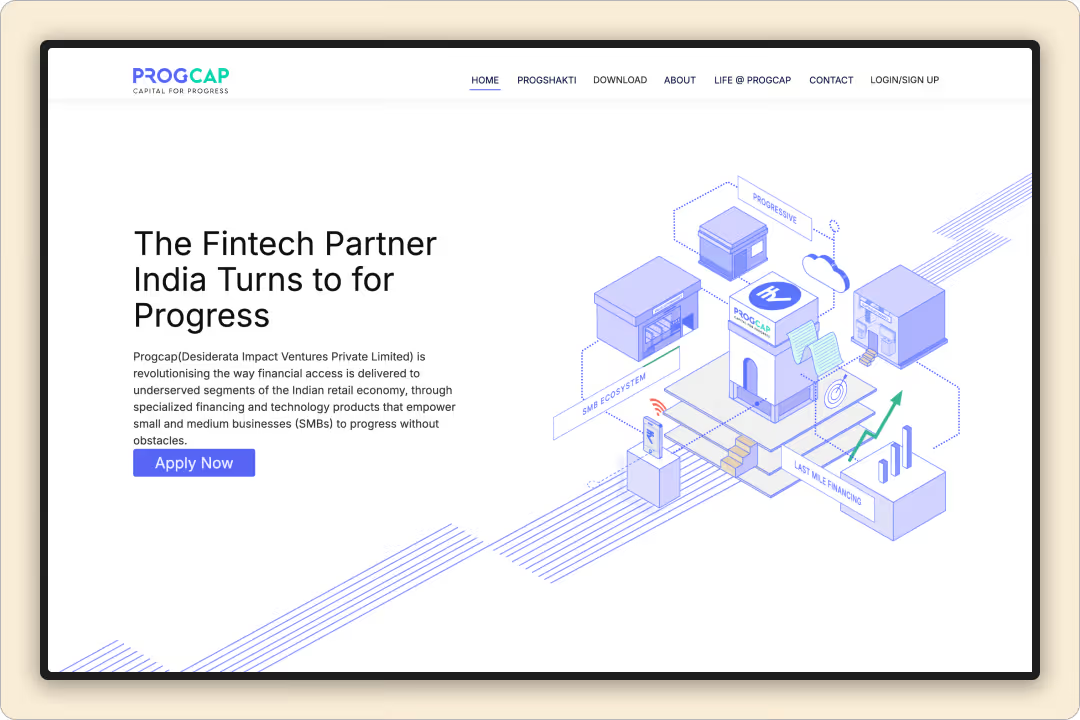
Brand and website design for Progcap, a fintech platform enabling supply chain financing for underserved retailers

Best Technology Branding
Experts

Swathi Mohan
Content Strategist

Akhilesh J
Lead Designer

Mejo Kuriachan
CEO | Partner | Brand Strategist

Athira Krishnan
Lead Designer | Content Strategist

Arpan Sen
Chief of Staff | Project Manager

Sanjana Hmath
Lead Designer

Tanmaya Rao
Lead Brand Designer | Illustrator