


Real Estate Website Agency
Real estate is a visual, high-stakes industry — and your website is where buyers, investors, and tenants form their first impression of your properties and brand.






What Makes a Real Estate Website Convert Visitors Into Leads?
Stunning visuals paired with frictionless property discovery. We build real estate websites with immersive galleries, smart search functionality, and clear calls to action that make it effortless for prospects to find what they're looking for and reach out.
A real estate website agency specializes in creating custom websites tailored to the needs of real estate businesses. These agencies focus on developing functional, aesthetically pleasing, and conversion-driven platforms that help real estate agents, brokers, property developers, and agencies showcase their listings, manage client relationships, and grow their business.
Here’s a breakdown of what a typical real estate website agency offers:
Key Services
- Custom Website Development
- Build bespoke websites that reflect the real estate brand’s identity.
- Include essential features like property listings, search filters, location maps, and more.
- Mobile-responsive and optimized for all devices.
- Integration with popular content management systems (CMS) like WordPress, Webflow, or custom-built platforms.
- Property Listing Management
- Provide robust property listing systems with options to sort by price, location, size, etc.
- Integration with MLS (Multiple Listing Service) databases for real-time updates.
- Include media-rich galleries, virtual tours, and interactive maps for showcasing properties.
- CRM Integration
- Sync website inquiries directly with Customer Relationship Management (CRM) software.
- Help real estate agents track leads, manage client information, and automate follow-up.
- SEO Optimization
- Implement local SEO strategies to increase visibility in specific geographic areas.
- Optimize property listings and pages for search engines, ensuring the site ranks well.
- Create content such as blogs, neighborhood guides, and market updates to drive organic traffic.
- Lead Generation Tools
- Add custom lead capture forms, chatbots, and live chat options.
- Create dedicated landing pages for different property types, locations, or promotions.
- Use call-to-actions (CTAs) and real-time notifications to convert visitors into leads.
- IDX/MLS Integration
- Integrate the website with IDX (Internet Data Exchange) for real-time property listings.
- Ensure up-to-date and accurate information is available to users, making searches easier and more reliable.
- Analytics and Reporting
- Track user behavior and interactions with properties through Google Analytics and other tools.
- Provide regular reports on traffic, lead conversions, and other performance metrics.
- Security and Compliance
- Ensure the website complies with regulations such as GDPR for data protection.
- Secure the site against cyber threats through SSL certificates and regular updates.
- Marketing Solutions
- Include services such as PPC (Pay-Per-Click) advertising, email marketing campaigns, and social media management.
- Offer retargeting strategies to bring back users who’ve previously viewed listings or shown interest.
- Maintenance and Support
- Provide ongoing maintenance for the website to ensure it runs smoothly.
- Offer content updates, technical support, and troubleshooting when needed.
Example Case Uses
- Real Estate Agents and Brokers: Platforms to showcase available listings and allow potential buyers to schedule viewings or inquiries.
- Property Developers: Custom websites to display large-scale developments, with virtual tours and detailed amenities.
- Real Estate Investment Firms: Websites designed to present commercial real estate opportunities, portfolio overviews, and data-driven investment insights.
Benefits of a Real Estate Website Agency
- Increased Visibility: A well-optimized website can attract more potential buyers or renters.
- Lead Generation: Streamlined tools make it easy to capture and manage leads, reducing the time spent on administrative tasks.
- Branding and Credibility: A custom-designed website establishes trust and professionalism in the competitive real estate market.
- Data-Driven Decisions: Real-time analytics help businesses understand what their audience is interested in, allowing them to make informed marketing decisions.
With these capabilities, a real estate website agency helps businesses streamline their operations, enhance the user experience, and maximize growth potential through powerful online platforms.
What Makes Real Estate Websites Convert Visitors Into Leads?
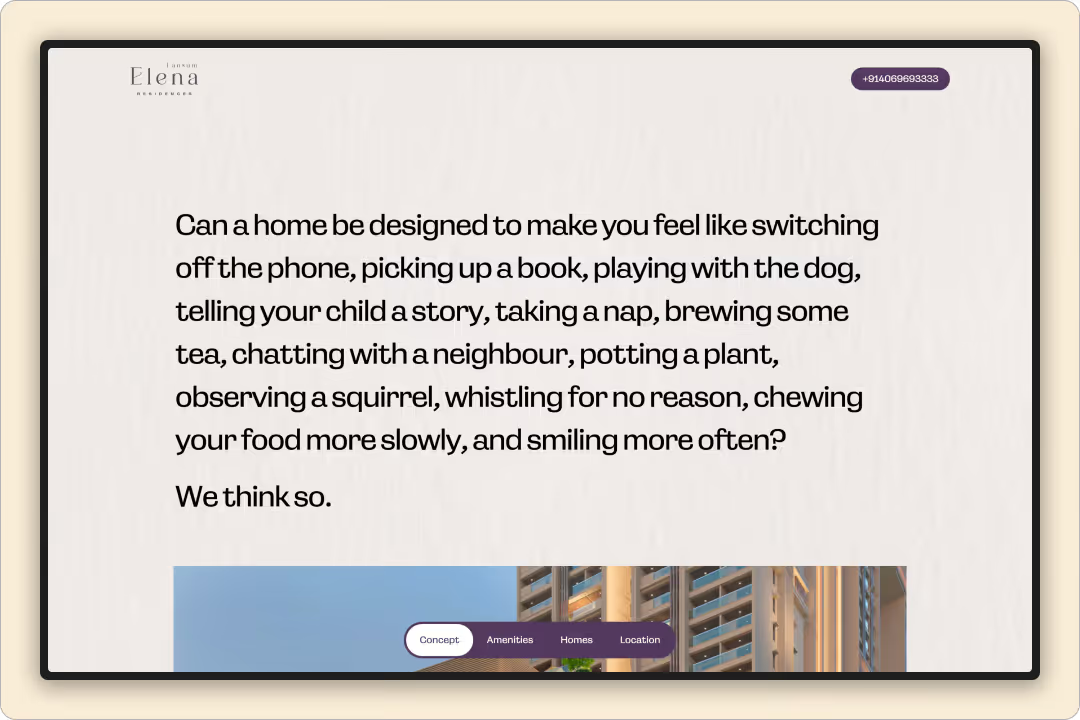
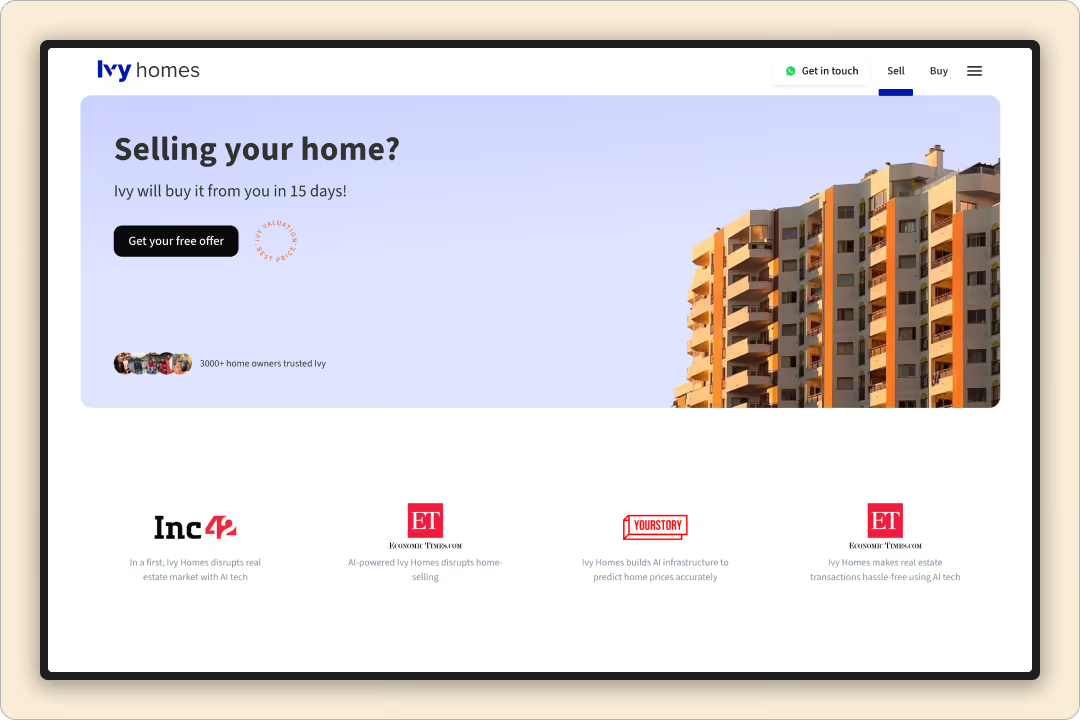
Real estate websites need to showcase properties, build developer credibility, and drive high-intent inquiries — all within seconds. Everything Design creates real estate web experiences that combine visual impact with strategic conversion architecture.

Real Estate Website
Experts

Lakshmi Akula
Associate Designer

Akhilesh J
Lead Designer

Ekta Manchanda
Co-Founder | Principal Designer

Yash Muley
Mid-Weight Designer

Tanmaya Rao
Lead Brand Designer | Illustrator