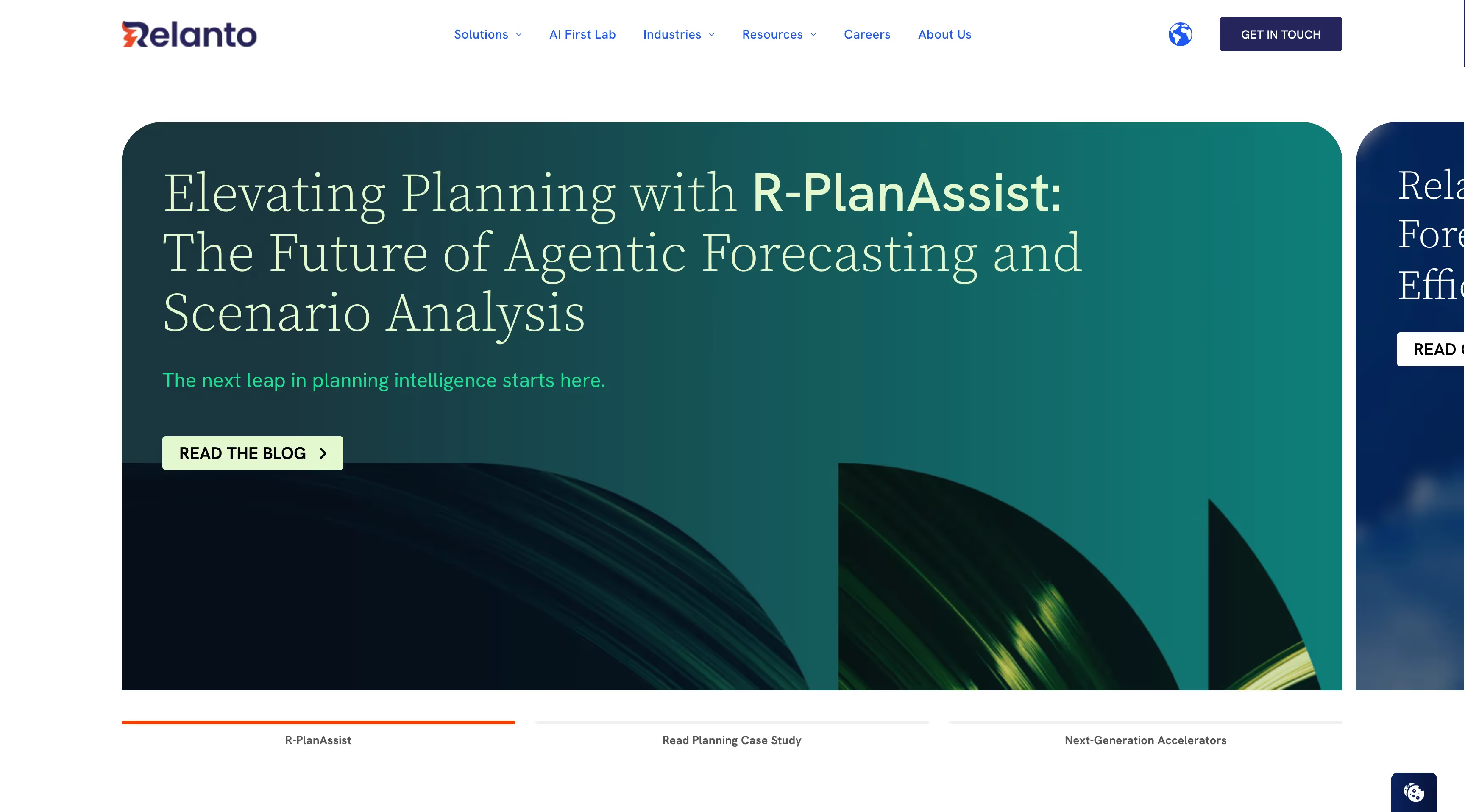
Web design for IT Advisory & Consultancy - Relanto
Relanto website design case study—an AI-first IT advisory and consultancy site built to communicate complex services clearly, establish credibility, and drive enterprise lead generation through strategic UX and messaging.
Consultancy websites must establish authority and accessibility simultaneously. Showcase thought leadership through research, insights, and industry perspectives. Client case studies demonstrating transformation build confidence. Service clarity and engagement pathways guide prospects from awareness to proposal. Approachable design and conversational copy overcome intimidation factors.
Everything Design is a leading Webflow agency specializing in designing and developing IT Advisory & Consultancy websites. We worked with Relanto.
We established the content strategy, designed and developed the website. We also created a logo for their AI First Lab.
Customer Review for Everything Design

Frequently Asked Questions
Consulting firm websites must establish credibility, showcase expertise, and facilitate client inquiry through clean, professional design emphasizing thought leadership and results. Prospects evaluate consulting firms based on visible expertise, client experience, and problem-solving approach. Essential features go beyond aesthetics to create conversion pathways demonstrating value before engagement.
Expertise and Thought Leadership Demonstration
Feature detailed credentials, methodologies, and expertise areas prominently. Consulting clients evaluate consultants based on demonstrated knowledge. Include executive team bios showcasing relevant experience, published research, speaking engagements, and industry recognition. Create resources sections with whitepapers, research reports, and case studies addressing common client challenges. This content builds confidence in your consulting approach before prospects request proposals.
Client Work and Impact Showcase
Detailed case studies are critical for consulting firms. Prospects want to understand your approach, typical client profiles, and measurable results. Create comprehensive case studies showing challenge, methodology, implementation approach, and quantifiable outcomes. Include client testimonials and success metrics. Anonymized case studies work if confidentiality agreements prevent naming clients, but named clients provide stronger credibility signals.
Clear Engagement and Services Definition
Define consulting services clearly with service scope, typical engagement structure, and expected outcomes. Consulting service pages should explain engagement models—hourly, project-based, retainer—and typical project timelines. Include methodology overviews helping prospects understand your distinctive approach. Clear definition reduces back-and-forth clarification and speeds decision-making.
Trust-Building and Accessibility Features
Include clear contact pathways encouraging inquiries. Consulting prospects research extensively before reaching out; make contact options obvious and responsive. Implement team member profiles with photos, backgrounds, and specializations. Transparent team information builds trust. Consider video introductions from key consultants explaining your approach and typical engagements.
Designing a website for an IT advisory or consultancy firm requires a fundamentally different approach than designing for product companies. Your website must communicate expertise, build trust, and position your firm as a trusted advisor to C-suite executives and technical decision-makers. The design should reflect the sophistication of your service offerings while making complex technical concepts accessible to non-technical audiences. Success means attracting the right clients while filtering out poor fits.
Establishing Credibility and Thought Leadership
IT consultancy clients choose partners based on proven expertise and demonstrated success. Your website should prominently feature case studies, client testimonials, and evidence of your firm's experience in solving complex problems. Strong brand positioning for service firms emphasizes credentials, certifications, team expertise, and successful implementations. Rather than generic service descriptions, effective design showcases specific results—percentage improvements in efficiency, cost savings achieved, or strategic transformations completed. This proof-based approach differentiates your firm and builds confidence that you can deliver similar results for prospective clients.
Speaking to Multiple Stakeholder Decision-Makers
IT buying decisions involve multiple stakeholders with different concerns. CTO/technical leaders care about capabilities and architecture. CFOs care about ROI and cost efficiency. Business leaders care about outcomes and timelines. Effective website design for consultancies accommodates these different audiences by providing clear pathways for each persona to find relevant information. Strategic navigation, targeted landing pages, and audience-specific messaging ensure that whether a visitor is an IT director or a board member, they find content that speaks to their concerns and priorities.
Demonstrating Methodology and Approach
Clients want to understand how you work before engaging your firm. Your website should explain your methodology, project approach, implementation timeline, and success metrics. Design should visually communicate your process in ways that build confidence and clarity. Case studies showing your methodology in action are particularly powerful, allowing prospects to see exactly how you've solved similar challenges. This transparency differentiates advisory firms and attracts clients who value working with firms that have a structured, repeatable approach to solving complex problems.
Partner with our team to build a website that positions your IT consultancy as the trusted advisor your market deserves.